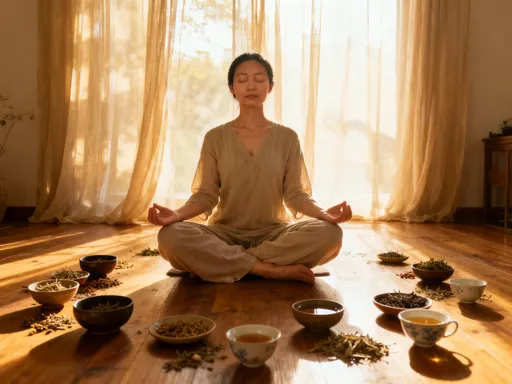
How I Calmed My Mind Without Medicine – Simple Moves That Actually Work
Stress used to own me—racing thoughts, sleepless nights, constant worry. I didn’t want pills, so I looked for something natural. What changed everything? Simple daily movement. Not intense workouts, just mindful exercise techniques that quieted my mind. Turns out, your body knows how to heal your brain. This is how I found peace, one small motion at a time.
The Breaking Point: When My Mind Felt Out of Control
For years, anxiety was my silent companion. It didn’t shout—it whispered, hummed, and lingered in the background of every decision. I’d wake up with a tight chest, my mind already spinning through the day’s to-do list, imagining worst-case scenarios. Simple tasks felt overwhelming. Social gatherings left me emotionally drained. I began to feel numb, as if I were watching my life from behind glass. The exhaustion wasn’t just mental; it seeped into my body. My shoulders were always tense, my jaw clenched, and sleep became a battleground. I’d lie awake for hours, replaying conversations or worrying about things I couldn’t control.
At my lowest point, I considered medication. A doctor had offered a prescription, and part of me wanted relief—any kind of relief. But another part hesitated. I wasn’t against medication in principle; I knew it helps many people reclaim their lives. For me, though, I wanted to explore alternatives first. I wasn’t looking for a quick fix. I wanted to understand what was happening inside me and learn how to respond differently. I feared becoming dependent on something external to feel normal. That moment of hesitation became a turning point. It wasn’t a dramatic decision, just a quiet resolve: I would try to heal from within.
I began reading about non-pharmaceutical approaches to mental wellness. What I found was both surprising and comforting: I wasn’t alone. According to global health reports, anxiety and stress-related disorders have been rising steadily over the past two decades. Millions of people—especially women in midlife—report feeling overwhelmed by the demands of family, work, and personal expectations. The World Health Organization has identified stress as a leading contributor to chronic health conditions. Yet, many still hesitate to seek help or rely solely on medication. There’s a growing movement toward holistic, body-based strategies that honor the complexity of the human experience. That gave me hope. If so many were searching for gentler ways to cope, maybe I could find one that worked for me.
The Mind-Body Link: Why Movement Matters More Than We Think
For a long time, I thought of exercise as something purely physical—a way to lose weight or build strength. I didn’t realize that every time I moved my body, I was also sending signals to my brain. Science now shows that physical activity plays a crucial role in regulating mood, focus, and emotional resilience. When we move, even gently, our bodies release neurotransmitters like serotonin and endorphins—chemicals that naturally elevate mood and reduce pain. At the same time, movement helps lower cortisol, the hormone associated with stress. It’s not magic; it’s biology.
Think of your body as a translator for your mind. When thoughts spiral, the body often responds with tension, shallow breathing, or fatigue. But when you initiate movement—whether it’s stretching, walking, or swaying—the body sends a different message back: “We are safe. We are present.” This feedback loop can interrupt the cycle of anxiety. Studies have shown that regular, low-intensity physical activity can significantly reduce symptoms of mild to moderate anxiety and depression. In fact, some clinical trials have found that walking for 30 minutes a day, five times a week, produces mood improvements comparable to certain antidepressant medications—without the side effects.
One of the most powerful insights I learned is that exercise doesn’t have to be intense to be effective. You don’t need to run marathons or lift heavy weights to benefit your mental health. Gentle, consistent movement can be just as impactful, especially when practiced with awareness. Practices like yoga, tai chi, and mindful walking have been studied for their ability to calm the nervous system. They activate the parasympathetic nervous system—the “rest and digest” mode—which counteracts the “fight or flight” response that so many of us live in. The body isn’t just a vessel; it’s a regulator. When you move with intention, you’re not just working your muscles—you’re teaching your nervous system how to reset.
Starting Small: My First Step Was Just Standing Up
I won’t pretend it was easy to begin. On my worst days, even the idea of movement felt exhausting. The thought of a workout routine made me want to retreat further under the covers. I had tried fitness apps before, but they always assumed a level of energy I didn’t have. What finally helped was letting go of the idea that movement had to look a certain way. I stopped aiming for 30-minute sessions or measurable progress. Instead, I focused on one tiny action: standing up.
My first practice was simply standing by the window each morning and taking three deep breaths. That was it. No stretching, no pacing—just standing and breathing. I set a timer for two minutes. Some days, I barely made it through. Other days, I noticed my shoulders relaxing slightly. The goal wasn’t to fix anything; it was to show up. I began to call these moments “micro-movements”—tiny acts of physical awareness that required almost no effort but carried quiet significance. Examples included rolling my ankles while sitting, gently tilting my head side to side, or swaying my arms like a tree in the wind. These weren’t exercises; they were invitations to reconnect with my body.
What surprised me was how quickly small shifts began to add up. After about a week, I noticed I was sleeping a little more soundly. The middle-of-the-night wake-ups became less frequent. I also found that my morning anxiety spikes—those jolts of panic as soon as I opened my eyes—were less intense. I didn’t feel “cured,” but I felt less trapped. The most important lesson was this: consistency mattered more than intensity. Five minutes of gentle movement every day did more for my mental state than an occasional hour-long workout ever had. It wasn’t about pushing harder; it was about showing up, gently and regularly.
The 3 Daily Moves That Made the Biggest Difference
As I became more comfortable with micro-movements, I began to explore slightly longer practices. I didn’t follow a strict program. Instead, I experimented with techniques that felt natural and soothing. Three practices emerged as the most effective for calming my mind and regulating my nervous system. They weren’t complicated, but they were deeply grounding.
The first was grounding walks. I started taking short walks barefoot on the grass in my backyard, especially in the morning. I focused on the sensation of the cool blades against my feet, the uneven texture of the soil, the way my weight shifted with each step. I walked slowly, deliberately, without a destination. This wasn’t exercise for fitness; it was movement as mindfulness. Research suggests that direct contact with the earth—sometimes called “earthing”—may help stabilize the body’s electrical rhythms and reduce inflammation. Whether or not that’s fully proven, I can say this: walking barefoot made me feel more connected, more present. It was as if the earth absorbed some of my excess energy and gave back a sense of calm.
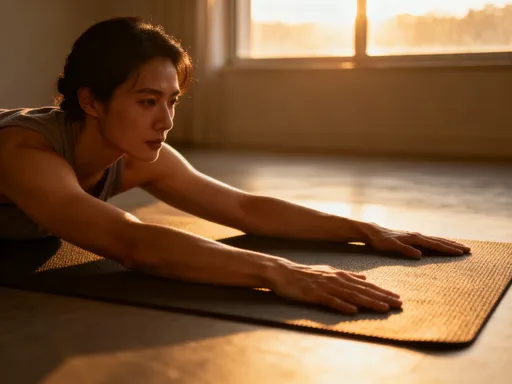
The second practice was breath-linked stretching. I learned to pair simple stretches with my breath. For example, I’d raise my arms overhead as I inhaled, then fold forward gently as I exhaled. The movement wasn’t about how far I could reach or how deep I could bend. It was about rhythm—matching motion to breath. This technique is used in yoga and somatic practices to promote nervous system regulation. When you exhale fully, you activate the vagus nerve, which helps slow your heart rate and lower stress. Over time, I noticed that these few minutes of synchronized breathing and movement created a kind of internal reset. Even on chaotic days, I could return to this practice and find a pocket of stillness.
The third and most unexpected technique was shake-it-out sessions. At first, it felt silly—literally shaking my arms, legs, and torso as if I were a dog drying off. But I learned that many animals shake after a stressful event to discharge tension from their nervous systems. Humans often suppress this natural impulse, holding stress in the muscles. By allowing myself to shake—even for 30 seconds—I began to notice a physical release. It wasn’t dramatic, but it was real. My shoulders felt lighter, my jaw less tight. Some days, I did it in the bathroom after a stressful phone call. Other times, I’d shake gently while standing in the kitchen. It became a tool for immediate relief, a way to interrupt the buildup of tension before it turned into anxiety.
Building a Routine Without Burnout: How I Stayed Consistent
Of course, there were days I didn’t feel like moving. Some mornings, I hit snooze and stayed in bed. Others, I was too busy with family responsibilities. The key to consistency wasn’t discipline—it was design. I learned to weave movement into existing habits rather than treating it as an extra task. For example, I started doing breath-linked stretches right after brushing my teeth. I paired grounding walks with my morning coffee, carrying my mug outside and sipping slowly as I walked. These small connections made the practices feel natural, not burdensome.
I also stopped tracking time or performance. Instead, I began tracking my mood. I kept a simple journal where I noted how I felt before and after each movement session. Over time, I saw patterns: on days I moved, even briefly, I was less reactive, more patient with my family, and better able to handle unexpected stress. That feedback loop became its own motivation. I wasn’t doing it to “fix” myself; I was doing it because it made life feel more manageable.
Self-compassion was essential. When I missed a day, I didn’t scold myself. I reminded myself that healing isn’t linear. Some days, just standing up and taking three breaths was enough. I began to see movement not as a punishment for being stressed, but as a form of self-care—a way of saying, “I matter. My well-being matters.” This shift in mindset made all the difference. It wasn’t about achieving a goal; it was about cultivating a relationship with my body, one small gesture at a time.
What Science Says: How These Techniques Support Mental Wellness
While my experience was personal, it’s supported by a growing body of scientific research. Studies have consistently shown that low-intensity physical activity can improve mental health outcomes. For example, a review published in the journal *JAMA Psychiatry* found that regular aerobic exercise—such as walking or cycling—was associated with reduced symptoms of anxiety and depression. The effects were especially strong when the activity was practiced consistently over time.
One key factor is the production of brain-derived neurotrophic factor (BDNF), a protein that supports the growth and resilience of neurons. Low levels of BDNF have been linked to depression and cognitive decline. Physical activity, even at low intensity, has been shown to increase BDNF levels, promoting neural health and emotional stability. This may explain why so many people report clearer thinking and improved mood after incorporating regular movement into their lives.
Additionally, practices like mindful walking and breath-coordinated movement have been shown to enhance heart rate variability (HRV), a marker of nervous system flexibility. Higher HRV is associated with better stress resilience and emotional regulation. These benefits don’t happen overnight. They are gradual, cumulative, and often subtle. But over weeks and months, they create a foundation of inner strength. It’s important to note that while these techniques can support mental wellness, they are not a substitute for professional care in cases of clinical anxiety, depression, or trauma. They work best as part of a holistic approach that may include therapy, lifestyle changes, and, when necessary, medical treatment.
Beyond the Body: How Simple Movement Changed My Whole Life
The changes I experienced went far beyond reduced anxiety. As my nervous system settled, I noticed shifts in other areas of my life. I became more present with my family. I listened more deeply. I reacted less quickly to frustration. There was a moment, about six months into my practice, when my teenager slammed a door after an argument. In the past, I would have responded with anger or tears. This time, I paused. I felt the heat in my chest, the urge to shout. Instead, I walked to the backyard, took off my shoes, and stood on the grass. I breathed. I swayed. I didn’t fix anything in that moment—I just allowed myself to feel and release. When I returned inside, I was calm enough to talk. That small pause changed the entire trajectory of the evening.
These practices taught me that healing isn’t about perfection. It’s about presence. It’s about learning to respond rather than react. Movement became a form of listening—to my body, to my emotions, to the quiet wisdom beneath the noise. I no longer see my mind as broken or flawed. It was simply asking to be felt, to be acknowledged. And my body, all along, knew how to answer.
Today, my routine is still simple. I don’t follow a strict schedule. Some days, I move for ten minutes. Others, just two. But I show up. I stand. I breathe. I walk. I shake. These small motions have become my anchors. They remind me that peace isn’t something I have to chase. It’s something I can return to, again and again, through the quiet power of movement.
Healing doesn’t always come from big changes. Sometimes, it’s the smallest motion that unlocks the most peace. You don’t need a gym, a coach, or a diagnosis—just the willingness to move, gently and often. Your mind isn’t broken; it’s just asking to be felt. Let your body answer.