How I Rebuilt My Strength After Injury — Real Talk on Bone Healing
Bone health isn’t just about calcium — it’s about movement, consistency, and smart recovery. After a fracture changed my daily life, I learned that healing bones isn’t passive. It takes targeted effort, patience, and science-backed rehab methods. This isn’t medical advice, but a firsthand look at what helped me regain strength. If you're recovering or supporting someone who is, understanding the process can make all the difference. Healing a broken bone involves more than waiting — it requires active participation, informed choices, and emotional resilience. What follows is a practical, compassionate guide grounded in real experience and supported by medical understanding.
The Wake-Up Call: When Bone Pain Became Personal
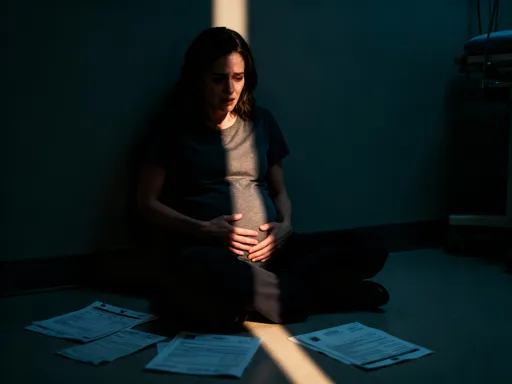
A seemingly ordinary day turned into a life-altering moment when a simple misstep on a sidewalk led to a fall and, moments later, a sharp, unmistakable pain in my leg. At first, I assumed it was a bad sprain — something ice and rest would fix in a few days. But when walking became impossible and swelling intensified, a trip to the emergency room revealed a fracture in the lower leg. The diagnosis was a wake-up call: not only had I broken a bone, but the doctor noted that the injury suggested underlying bone fragility, especially for someone not considered high-risk due to age. That moment of shock — the crutches, the cast, the sudden dependence on others — reshaped my understanding of health. I had always thought of bones as strong, permanent structures, not something that could quietly weaken over time.
The emotional toll was just as significant as the physical limitations. Simple tasks like getting dressed, preparing meals, or stepping into the shower became daunting challenges. The independence I once took for granted vanished overnight. Feelings of frustration, helplessness, and even grief surfaced as I adjusted to a slower pace. I wasn’t just healing a break — I was relearning how to live within new boundaries. This experience illuminated a common truth: many people overlook bone health until an injury forces them to confront it. For years, we hear about calcium and milk, but few are taught about the full picture of skeletal strength — how it’s built, maintained, and, when needed, rebuilt. The fracture became a personal teacher, urging me to dig deeper into what bone healing truly requires.
What surprised me most was how little I knew about the recovery process beyond rest and time. I assumed that once the bone knitted back together, I’d simply resume life as before. But the reality was more complex. Healing didn’t end when the cast came off — in many ways, it was just beginning. The road to full strength involved careful planning, professional support, and a willingness to listen to my body. This journey wasn’t just about fixing damage; it was about transforming my relationship with my body and understanding that bones are dynamic, living tissues capable of renewal when given the right conditions. That shift in perspective became the foundation of my recovery.
Beyond Calcium: What Really Supports Bone Regeneration
For decades, calcium has been positioned as the cornerstone of bone health — and while it is essential, it’s only one piece of a much larger puzzle. During my recovery, I quickly realized that loading up on dairy wasn’t enough to accelerate healing. In fact, without other key nutrients, calcium might not even be properly absorbed or utilized by the body. The process of bone regeneration — known as bone remodeling — involves the coordinated activity of cells that break down old bone and build new tissue. This biological process depends on a symphony of nutrients, each playing a distinct role. Understanding these elements transformed my approach to nutrition and recovery.
Vitamin D stands out as a critical partner to calcium. Without sufficient vitamin D, the body can absorb only a small fraction of the calcium consumed. Sunlight exposure is a natural source, but many people, especially those with limited outdoor activity or living in northern latitudes, may need supplementation. My doctor recommended a blood test to check my levels, which revealed a mild deficiency — a common issue that can go unnoticed for years. Correcting this with a daily supplement, under medical guidance, made a measurable difference in how I felt during recovery. Vitamin K2 is another often-overlooked nutrient. It helps direct calcium to the bones and teeth rather than allowing it to deposit in soft tissues like arteries. Found in fermented foods like natto, as well as certain cheeses and egg yolks, K2 works behind the scenes to ensure calcium is used where it’s needed most.
Magnesium is equally important. It contributes to bone matrix formation and supports the conversion of vitamin D into its active form. Leafy greens, nuts, seeds, and whole grains are excellent sources. I made a conscious effort to include spinach in smoothies, snack on almonds, and switch to whole-grain bread. Protein, too, is vital. Bones are made not just of minerals but of a collagen framework that requires amino acids for repair. Lean meats, fish, beans, and Greek yogurt became staples in my meals. Hydration also played a role — water supports cellular function and nutrient transport, both essential in tissue healing. By focusing on a balanced, nutrient-dense diet rather than isolated supplements, I gave my body the raw materials it needed to rebuild stronger.
The Role of Controlled Movement in Recovery
One of the most counterintuitive lessons I learned was that complete rest isn’t always the best approach to bone healing. While immobilization is necessary in the early stages, prolonged inactivity can actually weaken bones and muscles, slowing recovery. The concept of mechanical loading — applying gentle, controlled stress to healing bone — is supported by science. Bones respond to physical forces by becoming denser and stronger, a principle known as Wolff’s Law. My physical therapist explained that without some level of stress, the bone might heal but would lack the functional strength needed for daily life. This insight shifted my mindset from passive waiting to active participation in recovery.
Controlled movement began long before I could walk normally. In the initial weeks, while still using crutches, I performed simple seated exercises like leg lifts and ankle pumps. These movements improved circulation, reduced swelling, and prevented muscle atrophy. As healing progressed, I was introduced to partial weight-bearing activities — standing with support, shifting weight from one leg to the other, and using a resistance band for gentle resistance. Each step was carefully monitored and progressed only when my body showed readiness. The goal wasn’t speed, but safety and sustainability. These early movements laid the foundation for more advanced rehabilitation and helped restore confidence in my ability to move without fear.
The psychological benefits of movement were just as important as the physical ones. Being able to do even a small exercise independently restored a sense of control and progress. I no longer felt like a passive patient — I was an active participant in my healing. My therapist emphasized consistency over intensity, reminding me that small, daily efforts compound over time. This principle applied not just to exercise, but to every aspect of recovery — nutrition, sleep, and mindset. By embracing movement as a healing tool rather than a risk, I began to see my body not as broken, but as resilient and responsive.
Working with Professionals: Why Rehab Isn’t DIY
While it’s tempting to take recovery into one’s own hands — researching exercises online or pushing through pain to speed up progress — I quickly learned that professional guidance is non-negotiable. Bone healing is not a one-size-fits-all process. Factors like the type of fracture, location, age, overall health, and pre-injury fitness level all influence the recovery timeline and approach. A physical therapist provided personalized assessments, designed a safe progression plan, and adjusted it based on my response. Attempting to self-manage could have led to re-injury, improper alignment, or long-term complications.
My rehab program began with a thorough evaluation: range of motion, strength, balance, and pain levels were all documented. This baseline allowed my therapist to set realistic goals and track progress objectively. Each session included hands-on techniques, targeted exercises, and education about proper body mechanics. I learned how to stand, sit, and move in ways that protected my healing bone while promoting strength. The therapist also identified imbalances — for example, favoring one side too much — and corrected them before they became ingrained habits. This level of detail and expertise is nearly impossible to replicate without training.
Perhaps the most valuable aspect of working with a professional was accountability and reassurance. There were days when I felt discouraged or impatient, wondering if I’d ever regain full function. My therapist provided encouragement, celebrated small milestones, and reminded me that healing is not linear. They also knew when to push and when to pull back — a balance that’s hard to judge alone. Rehab isn’t a solo journey; it’s a partnership between patient and provider. Trusting that process, even when progress felt slow, was essential to long-term success.
Progressive Loading: From Walking to Weight Training
As my bone continued to heal, the focus shifted from protection to strengthening. Progressive loading — gradually increasing the stress placed on the bone — became the cornerstone of this phase. The science is clear: bones adapt to the demands placed on them. When subjected to controlled stress, bone-forming cells are activated, leading to increased density and strength. This principle guided my transition from walking with support to unassisted walking, then to stair climbing, and eventually to light resistance training. Each stage built on the last, ensuring that gains were sustainable and safe.
The first time I walked without crutches, I felt a surge of emotion — relief, pride, and a renewed sense of freedom. But my therapist reminded me that walking was just the beginning. To rebuild full strength, I needed to challenge the bone further. Resistance bands were introduced first, allowing me to work on muscle activation with minimal joint stress. Then came light dumbbells — starting with just one or two pounds, focusing on form and control. Exercises like squats, lunges, and calf raises were performed slowly and deliberately. Over time, the weights increased, and so did my confidence.
What surprised me was how much this phase improved not just strength, but balance and coordination. As my leg became stronger, my overall stability improved. I noticed it in everyday actions — stepping off a curb, carrying groceries, or standing on one foot while putting on shoes. These small victories were powerful reminders of progress. My therapist emphasized that consistency was more important than intensity. Short, daily sessions were more effective than occasional long workouts. By following a structured, gradual plan, I avoided setbacks and built a foundation for long-term bone health.
Lifestyle Factors That Quietly Affect Bone Healing
While nutrition and exercise are often the focus of recovery, other lifestyle factors play a quiet but significant role in bone healing. Sleep, for example, is when the body repairs tissues, including bone. During deep sleep, growth hormone is released, supporting cell regeneration. I made a conscious effort to prioritize rest — aiming for seven to eight hours per night, maintaining a consistent bedtime, and creating a calm sleep environment. Hydration also mattered. Water is essential for cellular metabolism and nutrient transport. Dehydration can slow healing and contribute to fatigue, making recovery feel harder than it needed to be.
Stress, too, has a measurable impact. Chronic stress elevates cortisol levels, which can interfere with bone formation and increase inflammation. During recovery, I practiced mindfulness and deep breathing to manage anxiety. Simple techniques like journaling or spending time in nature helped me stay grounded. I also became aware of habits that were silently working against my healing. Smoking, for instance, reduces blood flow to bones and impairs the function of bone-forming cells. Alcohol, in excess, can interfere with calcium absorption and hormone balance. While I wasn’t a heavy smoker or drinker, I chose to eliminate both during recovery as a protective measure.
These small shifts — better sleep, more water, less stress, healthier habits — didn’t feel dramatic at the time, but over weeks, their cumulative effect was undeniable. I healed faster, felt stronger, and developed routines that supported overall well-being. Recovery became not just about fixing a break, but about upgrading my lifestyle. These changes weren’t temporary fixes; they became lasting practices that continue to benefit my health today.
Preventing Future Issues: Building Long-Term Resilience
Recovery doesn’t end when the pain goes away or the doctor clears you for normal activity. True healing means building long-term resilience. For me, that meant transitioning from rehabilitation to maintenance — turning recovery habits into lifelong routines. Strength training, once a tool for healing, became a regular part of my weekly schedule. I continued with bodyweight exercises, resistance bands, and light weights, focusing on full-body movements that support bone density. Weight-bearing activities like walking, dancing, and stair climbing also remained central to my routine.
I also became proactive about screening. A bone density test, recommended by my doctor, provided valuable insight into my skeletal health. This test, known as a DEXA scan, measures bone mineral density and helps assess fracture risk. The results allowed me to take early action if needed, rather than waiting for another injury. I now view such screenings as essential preventive care, much like annual physicals or dental checkups. Fall prevention became another priority. Simple home modifications — adding grab bars in the bathroom, improving lighting, removing throw rugs — reduced risk without sacrificing comfort.
Nutrition remained a focus. I continued to eat a balanced diet rich in calcium, vitamin D, K2, magnesium, and protein. I also stayed hydrated and avoided smoking and excessive alcohol. These choices are no longer about recovery — they are about investment. Strong bones aren’t built in a day; they’re built through consistent, informed choices over time. This journey taught me that bone health is not passive. It requires attention, effort, and care. But the rewards — independence, strength, confidence — are well worth it.
Recovery isn’t just about healing a break — it’s an opportunity to rebuild stronger. By combining professional guidance with consistent, informed effort, bone rehabilitation becomes more than repair; it becomes transformation. This journey taught me that bones aren’t static — they respond, adapt, and grow when we give them the right support. The best time to care for your bones? Before you feel the pain.