Urban Secrets Only Locals Know in Melbourne
Melbourne isn’t just about coffee and trams—its urban soul hides in laneways, rooftops, and forgotten corners most tourists miss. I wandered for days, not chasing checklists, but feeling the city’s pulse through its spaces. What makes Melbourne’s urban design so magnetic? It’s the blend of art, intimacy, and smart planning that turns sidewalks into experiences. This is more than sightseeing—it’s about connection. The city doesn’t shout; it whispers through textured walls, the rustle of leaves in hidden gardens, and the quiet hum of a rooftop at dusk. For the mindful traveler, Melbourne offers not just places to see, but ways to belong, even if only for a day.
The Pulse of the City: Why Urban Space Matters in Melbourne
Melbourne’s identity is inseparable from its urban fabric. Unlike cities built for speed and scale, Melbourne thrives on human rhythm—on the pace of a morning walk, the pause at a street-side bench, the spontaneous conversation sparked in a crowded market. Its public spaces are not afterthoughts; they are the stage upon which daily life unfolds. From the geometric precision of its grid layout to the organic sprawl of its leafy suburbs, the city balances structure with soul. Urban design here isn’t just about efficiency; it’s about fostering connection. Sidewalks are wide, benches are plentiful, and greenery is woven into the streetscape, inviting residents and visitors alike to linger rather than rush. This deliberate slowness is a hallmark of Melbourne’s charm.
What sets Melbourne apart is its commitment to walkability. The city center is compact, with key attractions within a 20-minute stroll of one another. This encourages exploration on foot, allowing travelers to absorb details that would blur from a car window: the scent of freshly baked bread wafting from a corner bakery, the sound of a saxophonist playing in a sunlit courtyard, the sight of a mural that changes meaning depending on the time of day. Research consistently shows that walkable cities enhance well-being, reduce stress, and increase social interaction—all benefits that Melbourne delivers naturally. The city’s urban planners have long understood that people don’t just move through space; they experience it. And when that space is designed with care, the experience becomes memorable.
The human scale of Melbourne’s architecture further deepens this sense of connection. Buildings rarely soar to oppressive heights in the central districts; instead, they hover around three to six stories, creating a sense of enclosure and intimacy. Shopfronts are at eye level, often with wide glass windows that blur the boundary between inside and outside. This architectural humility fosters engagement. A passerby might catch the eye of a barista arranging pastries, or notice a florist tying up a bouquet in a storefront. These micro-moments of observation build a quiet empathy between strangers, a subtle but powerful form of urban belonging. It’s this attention to the everyday that makes Melbourne feel lived-in, authentic, and welcoming.
Community interaction is also nurtured through intentional design choices. Public squares like Federation Square and City Square are not merely transit points but destinations in themselves. They host rotating art installations, pop-up performances, and seasonal festivals, transforming static plazas into dynamic social arenas. Even in quieter moments, these spaces serve as informal meeting grounds—parents with strollers, students with textbooks, tourists with maps. The city’s urban strategy recognizes that public spaces must serve multiple functions: as places of rest, play, commerce, and culture. This versatility ensures they remain relevant and vibrant throughout the day and across seasons. For the visitor, this means there’s always a reason to return, a new layer to discover.
Laneways That Breathe: The Hidden Veins of Melbourne
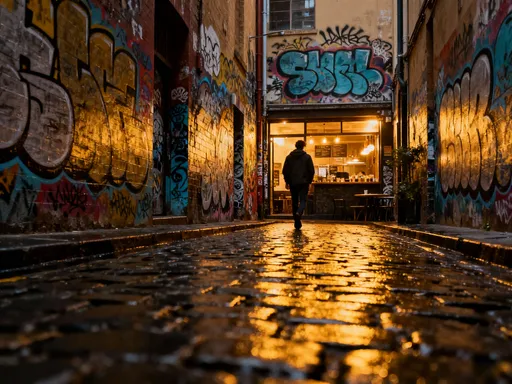
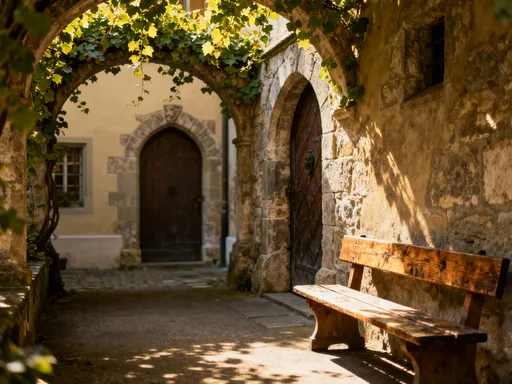
If Melbourne has a heartbeat, it pulses through its laneways. These narrow corridors, often no wider than a car, are the city’s secret arteries—hidden, alive, and constantly evolving. Once relegated to service access and garbage collection, these alleys have been reborn as cultural epicenters, each with its own personality and rhythm. Hosier Lane, perhaps the most famous, is a canvas of ever-changing street art, where stencils, spray paint, and paste-ups create a visual dialogue between local and international artists. Tourists flock here, cameras in hand, but the true experience lies in wandering beyond the postcard spots, into lanes like Centre Place, Tattersalls Lane, or Croft Alley, where the energy is raw and unfiltered.
The transformation of Melbourne’s laneways began in the 1990s, when city planners and business owners recognized their potential. Rather than widen streets for traffic, they chose to narrow them for people. Pedestrian access was prioritized, lighting was improved, and small businesses—cafes, bars, boutiques—were encouraged to take root. The result was a network of intimate spaces where discovery feels inevitable. A single block might reveal a hidden cocktail bar behind an unmarked door, a tailor stitching suits by hand, or a jazz trio playing in a basement nook. These experiences are not curated for tourists; they are part of the city’s daily life, unfolding organically for those willing to look closely.
What makes these laneways so compelling is their ability to create surprise within a structured grid. Melbourne’s downtown follows a predictable rectangular pattern, but the laneways introduce chaos in the best possible way. They twist, branch, and dead-end, encouraging exploration without the risk of true disorientation. This balance of order and spontaneity mirrors the city’s broader character—organized yet creative, practical yet poetic. For the traveler, navigating these passages becomes a metaphor for urban discovery: progress isn’t always linear, and the most meaningful moments often come from detours.
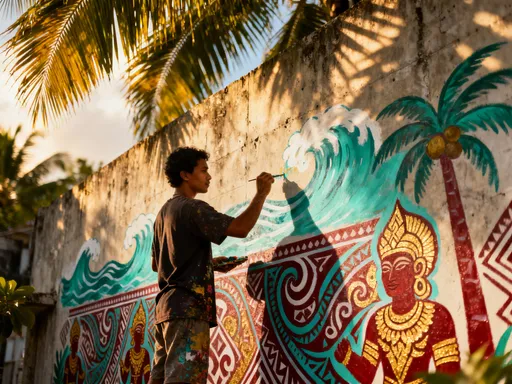
Street art is the lifeblood of many laneways, but it is more than decoration—it is a form of civic expression. Artists use these walls to comment on politics, celebrate local icons, or simply play with color and form. The city supports this culture through permissive policies and even official programs that commission murals, ensuring that the art remains dynamic rather than stagnant. Unlike museums, where art is preserved behind glass, Melbourne’s laneway galleries are ephemeral. A masterpiece today may be painted over tomorrow, making each visit a unique encounter. This impermanence adds urgency to the experience, urging visitors to be present, to absorb what they can before it changes.
Green Pockets in the Concrete: Parks and Urban Respite
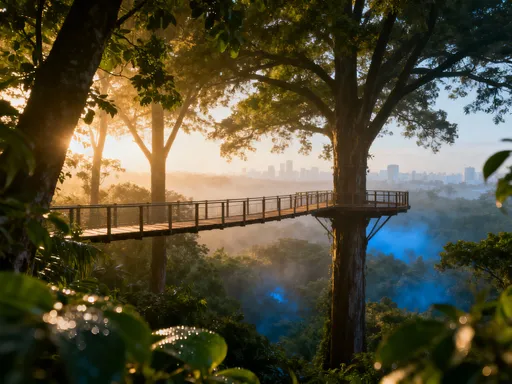
Amid the rhythm of trams and foot traffic, Melbourne’s green spaces offer a vital counterpoint—places to breathe, reflect, and reconnect with nature. These urban oases are not luxuries; they are essential components of the city’s design, strategically placed to provide relief from the density of built environments. Fitzroy Gardens, one of the oldest and most beloved, stretches across 26 hectares near the eastern edge of the CBD. With its manicured lawns, winding paths, and historic conservatory, it serves as both a recreational haven and a living museum of horticulture. Visitors can stroll beneath towering elm trees, admire the Tudor-style cottage said to be a replica of Prime Minister Harold Holt’s birthplace, or simply sit on a bench and watch kookaburras dart between branches.
Flagstaff Gardens, located to the west of the city center, offers a different kind of serenity. Originally a burial ground in the 1830s, it was transformed into a public park in the 1860s and now stands as one of Melbourne’s oldest green spaces. Its open lawns and mature pine trees create a peaceful atmosphere, making it a favorite among office workers during lunch breaks and students seeking quiet study spots. Unlike more ornamental parks, Flagstaff feels grounded and unpretentious—a place for rest rather than spectacle. It also features one of the city’s earliest examples of sustainable landscaping, with native plants that require less water and support local biodiversity. This quiet commitment to environmental stewardship reflects Melbourne’s broader approach to urban ecology.
The Royal Botanic Gardens, sprawling along the southern bank of the Yarra River, represent the pinnacle of Melbourne’s green integration. Covering over 38 hectares, the gardens are a living archive of plant life from Australia and around the world. Walking paths meander through themed sections—desert succulents, tropical rainforests, Aboriginal plant use gardens—offering both education and escape. For families, the children’s garden provides interactive water features and sensory play areas; for couples, secluded benches along the riverbank offer moments of quiet intimacy. The gardens also play a critical role in urban cooling, reducing temperatures in surrounding neighborhoods by several degrees during summer heatwaves—a practical benefit often overlooked by casual visitors.
These green spaces do more than beautify the city; they support mental well-being. Studies have shown that even brief exposure to nature can reduce cortisol levels, improve mood, and enhance cognitive function. Melbourne’s planners have internalized this science, ensuring that no resident lives more than a 10-minute walk from a park. For travelers, this means that rejuvenation is always within reach. After a morning of shopping on Collins Street or a museum visit at the NGV, a slow walk through the Kings Domain or Treasury Gardens can restore balance. The city understands that tourism is not just about accumulation—of sights, photos, souvenirs—but about rhythm. And rhythm requires pauses, breaths, moments of stillness.
Rooftop Culture: Seeing Melbourne from Above
Melbourne’s skyline may not rival the density of Hong Kong or the height of Dubai, but its rooftops tell a different story—one of intimacy, innovation, and perspective. Elevated spaces in the city are not reserved for luxury penthouses or corporate offices; they are shared public realms where locals gather to dine, drink, and take in the urban panorama. Rooftop Cinema, perched above the CBD, is a prime example. Each evening during the warmer months, film lovers ascend to an open-air screen surrounded by string lights and bean bags, where they watch cult classics and indie films under the stars. The experience is as much about the setting as the movie—the distant hum of trams, the flicker of city lights, the cool night air brushing against the skin.
The Queen Victoria Market’s rooftop garden adds another dimension to this trend. Once an unused industrial space, it has been transformed into a thriving urban farm where volunteers grow vegetables, herbs, and flowers. School groups visit for educational tours, chefs source ingredients for market eateries, and visitors wander through raised beds and composting stations. This project exemplifies Melbourne’s commitment to adaptive reuse—finding new purposes for overlooked spaces. The garden also serves as a climate resilience initiative, reducing stormwater runoff and lowering building temperatures, proving that beauty and function can coexist.
Other rooftops host bars and lounges that redefine socializing in the city. From the retro charm of Madame Brussels to the sleek lines of Rooftop Bar at Curtin House, these venues offer panoramic views without the formality of fine dining. Patrons sip craft cocktails as the sun dips behind the Eureka Tower, painting the sky in hues of amber and rose. These spaces are democratic in spirit—accessible by stairs or elevator, open to all who seek a different vantage point. They encourage a shift in perception: from being within the city to seeing it whole, from navigating streets to understanding patterns.
What makes rooftop culture so compelling is its dual function—leisure and insight. When you stand above the grid, you begin to see how neighborhoods connect, how green spaces punctuate the gray, how light moves across surfaces at different times of day. This elevated awareness enhances the ground-level experience. A traveler who has seen Melbourne from above returns to the streets with a deeper spatial understanding, noticing alignments, rhythms, and contrasts they might have otherwise missed. The city becomes not just a collection of places, but a living system, layered and interconnected.
Trams and Trails: Moving Through the City with Purpose
Movement defines Melbourne as much as its static landmarks. The city’s iconic tram network—older than the subway systems of many global capitals—serves as both a practical transit solution and a cultural symbol. With over 250 kilometers of track and 26 routes, it is the largest operational tram network in the world. For residents, the tram is a daily companion; for visitors, it is a moving vantage point. Riding a tram is not just about getting from point A to B; it is about experiencing the city’s rhythm. The gentle clang of the bell, the creak of wooden floors, the view of shopfronts sliding past—these details create a sensory narrative of urban life.
The tram system’s design prioritizes accessibility and continuity. Many routes run 24 hours on weekends, and the Free Tram Zone in the CBD allows unlimited rides within the central area, encouraging exploration without financial barrier. Signage is clear, stops are frequent, and real-time tracking apps help users plan efficiently. But beyond logistics, the trams contribute to the city’s character. Their vintage models, particularly the W-class, are rolling relics of mid-century design, preserved as heritage assets. Seeing one glide down Bourke Street feels like watching a piece of living history, a reminder that progress need not erase the past.
Walking and cycling trails complement the tram network, offering slower, more immersive ways to engage with the city. The Capital City Trail, a 29-kilometer loop, follows the Yarra River and urban waterways, connecting parks, suburbs, and cultural sites. Cyclists and joggers share the path, passing under bridges adorned with street art, alongside wetlands where ibises forage in the shallows. This trail is not just a route; it is a journey through Melbourne’s ecological and social layers. Along the way, benches, drinking fountains, and interpretive signs enhance the experience, making it accessible to all fitness levels and ages.
Movement, when intentional, becomes a form of understanding. As travelers walk or cycle, they develop a kinesthetic memory of the city—the slope of a hill, the curve of a riverbank, the sudden openness of a plaza. This bodily knowledge is different from what maps or guidebooks provide; it is felt, not read. Melbourne’s infrastructure supports this embodied exploration, ensuring that movement is safe, scenic, and rewarding. Whether by tram, foot, or bike, the city invites its visitors to move with purpose, to let the journey shape the experience as much as the destination.
Markets as Social Hubs: Where City Life Comes Alive
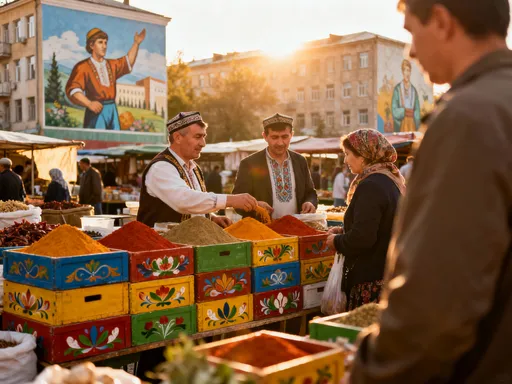
In Melbourne, markets are not just places to buy food—they are the pulse points of community life. Queen Victoria Market, operating since 1878, is the city’s most iconic. Spread across seven hectares, it is one of the largest open-air markets in the Southern Hemisphere. Rows of stalls overflow with fresh produce, artisan cheeses, handmade pastries, and spices from every corner of the world. But the market’s true value lies beyond commerce. It is a gathering place, a stage for cultural exchange, a classroom for culinary curiosity. Locals come not only to shop but to meet, to chat with vendors they’ve known for years, to sample a new dumpling recipe from a recent immigrant chef.
The sensory richness of the market is overwhelming in the best way. The smell of roasting coffee mingles with the tang of pickled vegetables; the sound of bartering blends with live folk music; the colors of ripe mangoes, purple cabbage, and golden saffron create a living still life. This abundance is not chaotic; it is curated by generations of tradition and regulation. Vendors are licensed, produce is fresh, and hygiene standards are strict, ensuring that the experience is as safe as it is vibrant. For travelers, the market offers an authentic taste of Melbourne’s multicultural identity—a city built by waves of migration, where food is the universal language.
South Melbourne Market, though smaller, carries a similar energy. Operating since 1867, it has a more neighborhood feel, with a strong emphasis on sustainability and local sourcing. Many vendors are third-generation stallholders, preserving family recipes and farming practices. The market hosts regular events—farmers’ days, cooking demonstrations, zero-waste workshops—that deepen community ties. Visitors are encouraged to engage, not just observe. Tasting a free sample of olive oil, asking a fishmonger how to prepare barramundi, or learning the difference between heirloom and hybrid tomatoes—these interactions transform shopping into dialogue.
Markets also serve as cultural stages. Seasonal festivals—Harvest Festival, Night Market, Christmas Fair—transform these spaces into celebrations of light, music, and shared abundance. They draw people from across the city, creating temporary communities bound by joy rather than obligation. In these moments, the market becomes more than a place; it becomes an event, a ritual, a marker of time. For the traveler, participating—even briefly—offers a rare sense of inclusion, a glimpse into the rhythms of local life that few tourist attractions can replicate.
Design That Cares: Lessons from Melbourne’s Urban Planning
Melbourne’s urban success is not accidental; it is the result of decades of thoughtful planning guided by human-centered principles. At its core is a commitment to mixed-use zoning, which allows residential, commercial, and recreational spaces to coexist within the same blocks. This reduces the need for long commutes, fosters neighborhood vitality, and ensures that streets remain active throughout the day. A building might have apartments above, a cafe on the ground floor, and a gallery in the basement—each use supporting the others, creating a self-sustaining ecosystem of urban life.
Pedestrian priority is another cornerstone of the city’s design philosophy. Wide sidewalks, pedestrian-only zones, and traffic-calming measures make walking not just possible but pleasant. Crosswalks are frequent, signals are timed for foot traffic, and public seating is abundant. These details may seem minor, but they accumulate into a powerful sense of safety and welcome. When people feel comfortable on the streets, they linger, they interact, they belong. This, in turn, deters crime and enhances community cohesion—a virtuous cycle supported by design.
Green integration is woven into every level of planning. From rooftop gardens to street trees to large parks, nature is not an afterthought but a structural element. The city’s Urban Forest Strategy aims to double tree canopy cover by 2040, mitigating heat, improving air quality, and enhancing biodiversity. These efforts are not confined to affluent areas; they are distributed equitably, ensuring that all residents benefit. For visitors, this means that beauty and respite are never far away, no matter which neighborhood they explore.
Finally, adaptive reuse defines Melbourne’s relationship with its past. Old warehouses become art studios, disused rail yards transform into parklands, and heritage buildings house modern businesses. This respect for history prevents the erasure of identity while allowing for innovation. It teaches a valuable lesson: that cities can grow without losing their soul. For travelers, this means encountering a place that feels both contemporary and rooted, dynamic yet stable. Melbourne invites not just observation, but reflection—on how spaces shape lives, how design influences emotion, how a city can care for its people simply by being thoughtfully made. In the end, the most lasting souvenirs are not bought; they are felt in the quiet joy of a well-designed moment.