You Gotta See What’s Hiding in Linz – A Self-Drive Cultural Trip That Blew My Mind
Driving into Linz, I had no idea this Austrian city would surprise me so much. Far from just an industrial stop, it’s packed with bold cultural spots you can explore at your own pace. From futuristic museums to intimate theaters tucked in old neighborhoods, every turn felt like uncovering a secret. This isn’t your typical Vienna-style charm—it’s raw, modern, and real. Let me take you through the cultural heartbeat of Linz, best experienced with keys in hand and curiosity on full throttle.
Why Linz? The Unexpected Cultural Hub
Linz, often overlooked in favor of Vienna or Salzburg, has quietly transformed into one of Austria’s most dynamic cultural centers. Nestled along the Danube River and straddling the border between tradition and innovation, the city has shed its post-industrial skin to emerge as a vibrant canvas for contemporary art, music, and digital expression. Once known primarily for steel production, Linz today is celebrated for its forward-thinking spirit, supported by strategic investments from the European Union and a deeply rooted local commitment to cultural renewal. It’s a city where factories have become galleries and smokestacks are now dwarfed by sleek glass facades that reflect the river’s shimmering light.
What makes Linz especially rewarding for travelers is its accessibility through self-drive exploration. Unlike larger cities where parking is a constant struggle, Linz offers a well-organized network of Park-and-Ride facilities and clearly marked parking zones that make navigating the city stress-free. Driving gives visitors the freedom to explore not only the urban core but also the surrounding neighborhoods and nearby towns that contribute to the region’s cultural richness. Whether you're arriving from Vienna, less than two hours away, or crossing the border from southern Germany, the open road delivers you directly to a city that rewards curiosity with authenticity.
The transformation of Linz has been neither sudden nor superficial. Since being named a European Capital of Culture in 2009, the city has channeled sustained energy into building institutions that celebrate creativity in all forms. This evolution is not about erasing the past but reimagining it—preserving architectural heritage while boldly embracing the future. The result is a cultural landscape that feels both grounded and adventurous. For visitors, especially those in the 30–55 age range who appreciate depth over spectacle, Linz offers a refreshing alternative to more tourist-heavy destinations. It’s a place where you can linger in a quiet museum courtyard, sip coffee in a sunlit café, and feel like you’ve discovered something genuine—something meant to be experienced, not just photographed.
Ars Electronica Center – Where Tech Meets Art
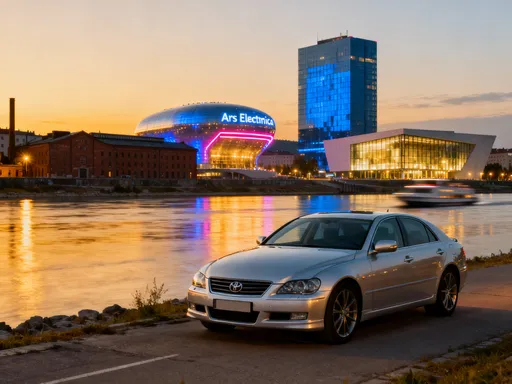
Rising from the banks of the Danube like a silver brain, the Ars Electronica Center stands as a bold declaration of Linz’s commitment to the fusion of technology and art. Known widely as the “Museum of the Future,” this striking structure is more than just an architectural landmark—it’s a living laboratory where visitors of all ages engage with the cutting edge of digital innovation. Inside, immersive exhibits explore artificial intelligence, robotics, bio-art, and interactive media, all designed to provoke thought and inspire wonder. The center is not a place for passive observation; it invites participation, with touchscreens, motion sensors, and hands-on installations that respond to your presence, turning visitors into co-creators of the experience.
One of the most compelling aspects of the Ars Electronica Center is its ability to make complex technological concepts accessible and emotionally resonant. Exhibits on AI ethics, for example, don’t just display algorithms—they present real-world scenarios that challenge visitors to consider the societal implications of automation and machine learning. Children marvel at robot pets that mimic emotions, while adults reflect on digital identity in an age of surveillance. The museum’s permanent exhibition, “The Big Picture,” uses a massive curved screen to envelop audiences in visual narratives that span climate change, space exploration, and human consciousness. It’s educational without being didactic, playful without being trivial—a rare balance that makes it ideal for families and solo explorers alike.
To fully appreciate the center, timing your visit is essential. Weekday mornings are ideal for avoiding crowds, especially during school holidays when the interactive zones become especially lively. The center also hosts regular “Deep Space 8K” projections in its two-story auditorium—high-resolution visual journeys that pair stunning imagery with live narration or music. These events often sell out, so checking the schedule in advance and booking tickets online is highly recommended. Whether you're a tech enthusiast or simply curious about where creativity and science intersect, the Ars Electronica Center is a must-see destination that encapsulates Linz’s identity as a city unafraid to ask big questions.
Lentos Art Museum – Modern Masterpieces by the River
Just a short walk from the Ars Electronica Center, the Lentos Art Museum gleams like a crystal ship floating on the Danube. Its sleek glass exterior, illuminated at night with a soft blue glow, creates a breathtaking silhouette that changes with the seasons and the river’s mood. Opened in 2003, Lentos was designed to be more than a container for art—it is itself a work of art, embodying transparency, lightness, and connection to the natural world. The building’s minimalist design allows the focus to remain on the world-class collection within, which spans late 19th-century modernism to cutting-edge contemporary works from Central Europe and beyond.
The museum’s permanent collection includes masterpieces by Austrian icons such as Gustav Klimt and Egon Schiele, whose emotionally charged portraits and symbolic landscapes offer a window into the soul of early 20th-century Vienna. Alongside these classics, Lentos showcases powerful works by contemporary artists from Austria, Germany, and the former Eastern Bloc, reflecting the region’s complex cultural dialogue. Temporary exhibitions often focus on themes like identity, memory, and political transformation, presented through painting, sculpture, photography, and multimedia installations. The curation is thoughtful and accessible, with clear signage and contextual information that helps visitors connect emotionally and intellectually with each piece.
For self-drive visitors, Lentos is easy to access with several public parking options nearby, including a multi-level garage just off the river promenade. After exploring the museum, the surrounding area invites leisurely strolls along the Danube, where benches, bike paths, and riverside cafés create a tranquil atmosphere. Combining a visit to Lentos with a stop at the adjacent botanical garden or a coffee break at a nearby café makes for a perfect cultural afternoon. The museum also offers guided tours in English, which are particularly valuable for those unfamiliar with Central European art history. Whether you're drawn to the haunting gaze of a Schiele self-portrait or the bold colors of a modern abstract canvas, Lentos delivers a deeply enriching experience that stays with you long after you leave.
Brucknerhaus – Music, Acoustics, and Danube Views
Perched on the riverbank with panoramic views of the Danube, the Brucknerhaus is Linz’s premier concert hall and a cornerstone of its musical identity. Named after Anton Bruckner, the 19th-century composer born in nearby Ansfelden, the venue honors his legacy while serving as a dynamic platform for classical, jazz, and contemporary performances. The building’s elegant, modern design—featuring sweeping curves and expansive glass walls—creates a harmonious dialogue between architecture and nature. Inside, the main auditorium is celebrated for its exceptional acoustics, a result of meticulous engineering that ensures every note, from the softest violin tremolo to the deepest organ chord, resonates with clarity and warmth.
Attending a concert at Brucknerhaus is more than an evening of entertainment—it’s a cultural immersion. The Linz Orchestra and guest ensembles regularly perform works by Bruckner, Mahler, and Mozart, often paired with innovative programming that includes world premieres and cross-genre collaborations. For visitors who can’t attend a full performance, backstage tours offer a fascinating glimpse into the inner workings of the venue, from the massive pipe organ to the artist lounges and rehearsal spaces. These tours, available in German and English, provide insight into the dedication and craftsmanship behind every concert, deepening appreciation for the artistry involved.
Planning a visit to Brucknerhaus begins with checking the performance schedule, which is published months in advance on the official website. Evening concerts typically begin at 7:30 PM, allowing time for a pre-show dinner at one of the riverside restaurants offering Austrian specialties like Wiener Schnitzel or Kaiserschmarrn. Many of these eateries are within walking distance, making it easy to combine fine dining with a night of world-class music. For those driving in, the venue is well-served by nearby parking garages, and the area remains well-lit and safe in the evening. Whether you’re a lifelong classical music lover or simply curious about Austria’s rich musical heritage, Brucknerhaus offers an unforgettable experience that connects you to the soul of Linz.
Poststraße and the Old Town’s Hidden Theaters
Just beyond the modern landmarks of the riverfront lies Linz’s historic heart, where cobblestone streets and centuries-old buildings tell a quieter but equally compelling cultural story. At the center of this district is Poststraße, a lively street that pulses with creative energy. Once a commercial thoroughfare, it has evolved into a hub for independent theaters, experimental performance spaces, and artist-run cafés. This is where Linz’s younger generation gathers—not in grand halls, but in intimate venues where innovation thrives. Two standout institutions, Theater Phönix and Landestheater Linz, exemplify the city’s thriving performing arts scene. While Landestheater presents polished productions of opera, ballet, and drama, Theater Phönix embraces avant-garde works, political theater, and interdisciplinary collaborations that challenge conventions.
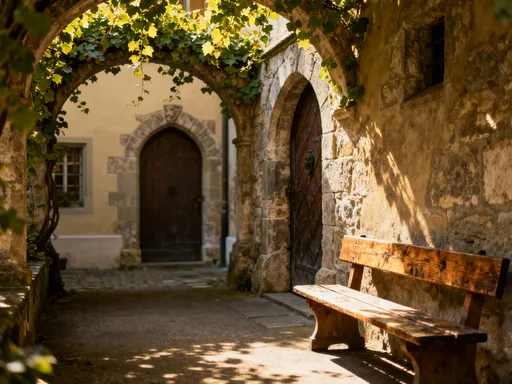
Walking through Poststraße feels like stepping into a living arts journal. Murals cover side walls, poetry appears on café menus, and impromptu performances sometimes unfold on street corners. The atmosphere is relaxed and inclusive, with many venues offering affordable tickets and relaxed dress codes. For visitors, parking in one of the nearby garages and exploring the area on foot is the best way to absorb its charm. Small theaters often have limited seating, so booking in advance is wise, especially during festival seasons like the annual “Crossing Europe” film and arts event. Even if you don’t attend a show, simply browsing the program listings or sipping coffee in a sun-dappled courtyard gives you a sense of how deeply embedded the arts are in daily life here.
What makes Poststraße special is its authenticity. Unlike tourist-heavy districts in other cities, this neighborhood feels lived-in and genuine. Shop owners know their customers by name, and artists mingle freely with residents. For middle-aged visitors who value meaningful experiences over photo ops, this area offers a rare glimpse into the cultural soul of a city. It’s a reminder that art isn’t only found in museums or concert halls—it lives in conversations, in street corners, and in the quiet dedication of those who keep creative expression alive. In Poststraße, Linz reveals its heart, not its highlight reel.
Tips for the Perfect Self-Drive Cultural Tour
Planning a self-drive cultural tour of Linz begins long before you reach the city limits. If you're coming from Vienna, the A1 motorway offers a smooth, scenic journey of about 100 miles, with rest stops, fuel stations, and clear signage in both German and English. Travelers from southern Germany can access Linz via the A8, which connects to the Austrian autobahn system near Passau. Along the way, consider detours through the picturesque villages of Upper Austria, where rolling hills, onion-domed churches, and family-run inns offer a taste of rural life. These stops not only break up the drive but also provide context for Linz’s urban culture by showing the traditions that shape the region.
Once in Linz, navigation is straightforward thanks to well-maintained roads and a reliable GPS system. The city uses a clear zoning system for parking: blue zones for limited stays, green for longer visits, and white for unrestricted parking in designated areas. Park-and-Ride facilities on the city’s outskirts allow you to park your car and take a tram or bus into the center, reducing congestion and stress. For those planning to visit multiple museums, the Linz Card offers free public transport and discounted entry to major attractions—a small investment that pays off in convenience and savings.
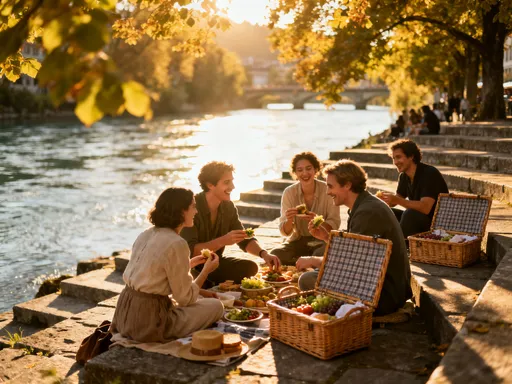
While the cultural sites are the main draw, don’t underestimate the value of pauses. Austrian coffeehouse culture is real and deeply ingrained. Taking time to sit in a historic café with a Melange and a slice of Linzer Torte is not a delay—it’s part of the experience. These breaks allow you to reflect on what you’ve seen, recharge, and connect with the rhythm of local life. Balancing structured visits with spontaneous moments—like browsing a street market or chatting with a shopkeeper—ensures your trip feels rich and unhurried. With a car at your disposal, you’re never locked into a rigid itinerary; you can extend a visit, change plans, or discover a hidden alley simply because it catches your eye.
Beyond the City – Day Trips to Augment the Experience
The true advantage of a self-drive trip is the ability to venture beyond Linz and explore the cultural tapestry of Upper Austria. Just 20 minutes east, the town of Eferding offers a glimpse into regional theater traditions with its historic Bürgertheater, where local troupes perform everything from folk plays to modern adaptations. The building itself, a beautifully restored 19th-century structure, reflects the community’s pride in preserving its artistic heritage. A visit here, perhaps paired with lunch at a farm-to-table restaurant, provides a contrast to Linz’s urban intensity and highlights the continuity of performance arts across generations.
Further afield, the charming town of Grein, perched on a hill overlooking the Danube, is home to Austria’s oldest preserved theater, the Greinburg Theatre, dating back to 1829. With its intimate wooden auditorium and candlelit ambiance, the space offers an almost time-travel-like experience. Performances here are occasional, but even a guided tour reveals the craftsmanship and acoustics that have made it a national treasure. The town itself is postcard-perfect, with narrow alleys, half-timbered houses, and sweeping river views. A day trip to Grein allows you to experience Austria’s historical charm while understanding how Linz’s modernity exists in dialogue with this enduring heritage.
These excursions don’t just add variety—they deepen your appreciation for Linz by showing what lies beyond its borders. The contrast between urban innovation and rural tradition enriches your understanding of Austrian culture as a whole. Driving gives you the freedom to make these connections on your own terms, to stop at a farmer’s market, photograph a church steeple, or simply watch the light change over the river. In the end, Linz may not dazzle like Vienna or charm like Salzburg, but it offers something more valuable: authenticity. It’s a city that doesn’t perform for tourists—it lives, evolves, and invites you to explore its layers at your own pace. With the keys in your hand and a spirit of curiosity, you’re not just visiting Linz. You’re discovering it.