You Won’t Believe What I Found in Pamukkale’s Hidden Corners
Pamukkale, Turkey, is more than just white terraces and mineral pools—it’s a protected wonder that feels almost otherworldly. I never expected to find such peace in a place so rich with natural beauty and history. Walking barefoot on warm travertine, I realized how perfectly nature and conservation work together here. This isn’t just a tourist spot; it’s a living ecosystem worth protecting. Let me take you through the real Pamukkale—the quiet trails, the rules that matter, and why visiting responsibly changes everything.
First Encounter: The Shock of Natural Beauty
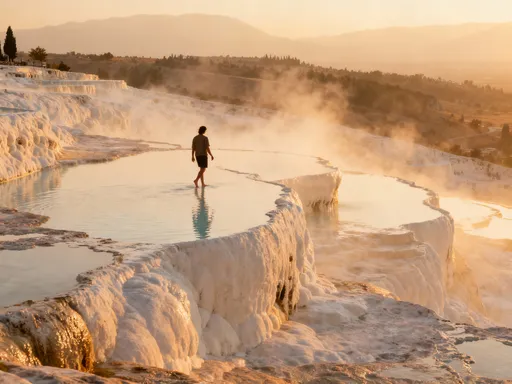
Arriving at Pamukkale at dawn, the first sight stops you in your tracks. The sun rises behind the limestone cliffs, casting a golden glow over cascading terraces that resemble frozen waterfalls of alabaster. These are not man-made pools but a rare geological masterpiece formed over millennia. The travertine terraces are created by mineral-rich thermal waters flowing down from natural springs nearly 300 feet above sea level. As the water cools and evaporates, it deposits calcium carbonate, gradually building up the smooth, undulating shelves that fill the hillside.
Each step across the warm, porous stone is a sensory revelation. The surface, though solid, retains the heat of the earth—like walking on sun-warmed marble after a long day at the beach. A fine mist rises from the pools in the early hours, curling like smoke through the still air. The water, naturally heated to around 96°F (35°C), is rich in calcium, bicarbonate, and other minerals long believed to have soothing properties for skin and joints. Though scientific studies remain cautious, generations have visited these springs seeking relief, adding to the site’s enduring cultural significance.
Pamukkale’s beauty is not accidental—it is protected. Designated as a UNESCO World Heritage Site in 1988, the area is recognized both for its exceptional natural phenomena and its historical value, especially in connection with the ancient city of Hierapolis just above. This dual recognition underscores a crucial truth: the terraces are not just scenic, they are fragile. Their preservation requires constant vigilance, scientific monitoring, and cooperation between environmental authorities and local communities. The same forces that built this wonder over thousands of years can be undone in decades by human neglect.
What makes Pamukkale so extraordinary is not only its appearance but its rarity. Few places on Earth exhibit such extensive and well-preserved travertine formations. Locations in China, Iran, and the United States have similar features, but none match the scale and visual harmony of Pamukkale. This singularity elevates its global importance and reinforces the need for strict conservation. Every visitor who walks these paths becomes part of a larger narrative—one that balances human curiosity with ecological responsibility.
Why Protection Matters: Behind the Rules and Boundaries
The rules at Pamukkale—no shoes on the terraces, no swimming in most pools, staying on marked paths—may seem strict, but they exist for one reason: survival. The delicate travertine deposits are easily damaged by oils from human skin, dirt from footwear, and even excessive foot traffic. When visitors stray from designated walkways, they risk compacting the soft mineral layers, disrupting water flow, and introducing contaminants that promote algae growth. Over time, these small impacts accumulate, leading to discoloration, erosion, and irreversible structural changes.
In the 1970s and 1980s, before comprehensive protections were enforced, unregulated tourism caused significant harm. Hotels were built directly on the springs, blocking water flow and damaging formations. Thousands of tourists swam freely in any pool they chose, wearing street shoes and leaving behind sunscreen and lotions. The result was visible: yellowing and cracking of the white terraces, stagnation in once-flowing channels, and a decline in water quality. By the late 1980s, UNESCO issued a warning, and Turkey responded with decisive action.
The government demolished illegal structures, rerouted roads, and banned construction near the springs. Access to the terraces was restricted, footwear rules were implemented, and swimming was limited to the lower, more resilient pools—most notably Cleopatra’s Pool, a historically significant thermal bath with submerged Roman columns. These measures, combined with ongoing scientific monitoring, have led to measurable recovery. Water flow has improved, algae levels have decreased, and new travertine is forming naturally in restored areas.
Today, the success of these efforts is evident. The bright white of the terraces has returned in many sections, and water once again flows freely through the upper basins. Park rangers patrol regularly, ensuring compliance and educating visitors. Digital signage and multilingual brochures explain the science behind the rules, helping tourists understand that each restriction serves a purpose. The goal is not to limit enjoyment but to ensure that future generations can experience Pamukkale as it was meant to be seen—pristine, flowing, alive.
Exploring the Restricted Zones: Where Few Go
Away from the main entrance and the crowded central terraces, quieter corners of Pamukkale reveal a different kind of beauty—one defined by stillness and subtlety. These areas are not secret, but they are protected. Fenced pathways lead to elevated overlooks where the full expanse of the terraces can be seen without stepping on them. Early in the morning, before tour buses arrive, these spots offer moments of near-solitude. The light shifts rapidly at sunrise, turning the pools from silver to pearl to ivory as the mist lifts and the sun climbs.
In these restricted zones, the soundscape changes. Without crowds, the only noise is the gentle trickle of water finding its way down the limestone steps. Birdsong echoes from the trees at the base of the hill—swallows and wagtails that nest in the cliffs. Occasionally, a lizard darts across a warm rock, undisturbed by human presence. These are not dramatic encounters, but they deepen the sense of connection to the place. They remind visitors that Pamukkale is not just a backdrop for photos; it is a functioning ecosystem.
Some of the most striking views come from the upper reaches of the formation, where water first emerges from the spring. Here, the flow is strongest, and the travertine is actively forming. Delicate ridges and ripples are visible in the wet stone, evidence of ongoing geological activity. These areas are off-limits to foot traffic, not because they are dangerous, but because they are vulnerable. Even a single footprint in a wet deposit can alter the path of water and disrupt the natural formation process.
Access to these zones is managed through timed entry and ranger supervision. Visitors can view them from designated platforms, using binoculars or zoom lenses to appreciate the details. The experience is slower, more contemplative. It asks for patience and respect. But for those willing to wait and observe, the rewards are profound. There is a quiet majesty in watching sunlight dance across untouched pools, knowing that what you see has changed little in centuries—and that your restraint helps keep it that way.
Hierapolis Within Sight: When Nature and History Coexist
Just above the terraces lies the ancient city of Hierapolis, a place where history and geology intertwine. Founded in the 2nd century BCE as a spa town, it flourished for over a thousand years, attracting visitors seeking the healing waters of Pamukkale. Today, its ruins—temples, a theater, necropolis, and baths—stand as a testament to human civilization’s long relationship with this natural wonder. Walking through the colonnaded streets, one can see the travertine terraces rising in the distance, a constant presence in the landscape that shaped the city’s destiny.
The coexistence of natural and cultural heritage at Pamukkale presents unique conservation challenges. While the travertine is protected as a geological formation, the ruins of Hierapolis are safeguarded as an archaeological site. Different threats require different strategies. Stone structures face erosion from wind and rain, while organic materials like wood and plaster require climate-controlled preservation. Meanwhile, the terraces are threatened by human contact and water disruption. Yet both are managed under a unified framework, recognizing that they are part of the same heritage landscape.
Archaeologists and ecologists work together to ensure that conservation efforts in one area do not harm the other. For example, excavation work in Hierapolis must avoid disturbing underground water channels that feed the springs. Similarly, reforestation projects at the base of the hill aim to stabilize soil without altering drainage patterns. These collaborations reflect a holistic approach to stewardship—one that values both human history and natural processes.
Visitors benefit from this integrated vision. A single ticket grants access to both the terraces and the ruins, encouraging a deeper understanding of how people have lived alongside this extraordinary environment. Interpretive signs explain not only the history of Hierapolis but also the geology of the springs. Guided tours often begin in the city and end at the pools, creating a narrative arc that spans centuries. This connection fosters a sense of continuity—of respect passed down through time.
Best Times to Visit: Avoiding Crowds, Respecting Limits
Timing can transform a visit to Pamukkale from overwhelming to transcendent. Peak season—June through August—brings thousands of visitors daily, many arriving in large groups on buses. The central terraces become congested, photography is rushed, and the sense of peace is hard to find. In contrast, visiting early in the morning, during the shoulder seasons (April–May or September–October), or on a weekday can offer a more intimate experience. Fewer people mean more space, quieter trails, and better opportunities to observe the site’s natural rhythms.
Data from park authorities shows that daily visitor numbers can exceed 10,000 in summer but drop to under 2,000 during spring and fall. To manage this fluctuation, timed entry tickets have been introduced, helping to distribute arrivals throughout the day. This system not only improves the visitor experience but also reduces pressure on the ecosystem. By preventing sudden surges of foot traffic, it allows the site to “breathe” between groups.
Early morning visits offer additional benefits. The air is cooler, the light is soft, and the mist rising from the pools creates an ethereal atmosphere. Wildlife is more active, and the sound of flowing water is unobstructed by chatter. For photographers and nature lovers, these hours are golden. But beyond personal enjoyment, choosing off-peak times is an act of responsibility. It spreads tourism impact, reduces strain on infrastructure, and supports sustainable management.
Combining a visit to Pamukkale with nearby natural attractions—such as the Denizli hot springs, the Kaklık Cave, or the Göksu Valley—can further distribute tourism pressure. These sites offer their own beauty and cultural significance while helping to balance regional visitation. Travelers who plan thoughtfully not only enhance their own journey but also contribute to the long-term health of the region.
Local Guardians: Who Protects This Place Every Day?
Behind the scenes, a dedicated team of park rangers, conservation scientists, and local guides work tirelessly to protect Pamukkale. These individuals are not just employees; they are stewards. Many were born in nearby villages and have watched the site change over decades. They speak with quiet pride about the recovery of the terraces and the growing awareness among visitors. One ranger, observing a group carefully removing their shoes before stepping onto the travertine, remarked, “When people follow the rules, it means they see the value. That’s what gives us hope.”
Training for these roles is rigorous. Rangers learn about geology, ecology, visitor management, and emergency response. They conduct regular patrols, monitor water quality, and respond to violations. Some specialize in environmental education, leading school groups and community workshops on conservation. Others work with researchers, collecting data on travertine formation rates, microbial activity, and visitor impact patterns.
Local guides play a complementary role. Licensed and trained in both history and environmental ethics, they serve as interpreters between the site and its visitors. They explain not only what Pamukkale is but why it must be protected. Many emphasize personal stories—how their grandparents bathed in the springs, how tourism has brought economic opportunity, and how they now teach their children to respect the land. This intergenerational connection strengthens community investment in preservation.
Collaboration extends beyond official roles. Nearby hotels and tour operators increasingly adopt eco-friendly practices, from using biodegradable cleaning products to promoting responsible behavior among guests. Some have partnered with conservation programs, funding monitoring equipment or supporting reforestation efforts. These partnerships reflect a growing understanding that protecting Pamukkale is not just a government duty but a shared responsibility.
Traveler’s Responsibility: How to Visit Right
Every visitor to Pamukkale holds a piece of its future in their hands. The choices made on-site—where to walk, whether to follow rules, how to interact with the environment—collectively shape the site’s trajectory. Staying on marked paths prevents damage to fragile deposits. Removing shoes before stepping onto travertine reduces contamination. Avoiding prohibited swimming areas allows natural processes to continue undisturbed. These actions may seem small, but their cumulative effect is powerful.
Supporting eco-conscious tours and local businesses that prioritize sustainability amplifies positive impact. Choosing accommodations that follow green practices, eating at restaurants that source locally, and using public transport or shared shuttles all contribute to a more responsible tourism model. Even simple acts—carrying out trash, respecting quiet zones, refraining from touching ruins—signal a commitment to preservation.
Mindful travel does not diminish the experience; it deepens it. When visitors slow down, observe, and engage with intention, they form a more meaningful connection to the place. They begin to see Pamukkale not as a photo opportunity but as a living system—a dynamic interplay of water, rock, time, and care. This shift in perspective is transformative. It moves tourism from consumption to reverence.
Protecting Pamukkale is not just a policy. It is a promise—one made by governments, communities, and individuals alike. It is a commitment to future generations who deserve to walk barefoot on warm travertine, to watch mist rise at dawn, to feel awe in the presence of something ancient and beautiful. The wonder of Pamukkale is not in its rarity alone, but in the collective effort to preserve it. And that, perhaps, is the most extraordinary thing of all.