You Won’t Believe These Urban Hiking Gems in Córdoba
Hiking doesn’t always mean escaping the city—sometimes the best trails hide right within it. In Córdoba, Argentina, urban green spaces blend with mountain foothills to create unforgettable walks. I was blown away by how nature and city life coexist here. From quiet park paths to panoramic ridge trails, Córdoba offers something unique for every hiker. Let me show you why this urban outdoor experience is absolutely worth your time.
Discovering Córdoba’s Urban-Nature Balance
Córdoba, the second-largest city in Argentina, stands at a remarkable crossroads—where bustling city streets gently rise into the foothills of the Sierras. Unlike many urban centers that push nature to the margins, Córdoba embraces it. The city unfolds along the eastern flanks of the Sierras Chicas, a mountain range that frames the skyline and invites exploration. This geographic gift means that within minutes of leaving a busy avenue, you can be walking beneath native algarrobo trees, listening to the wind ripple through dry grasslands, and catching glimpses of red-tailed hawks circling above.
What makes Córdoba special is not just its location, but its culture of outdoor living. Residents, known as *cordobeses*, have long cherished time in nature. Weekends often mean family outings to nearby streams, hilltop viewpoints, or shaded picnic spots. Green spaces are not afterthoughts—they are central to the city’s identity. Parks like Parque Sarmiento and Parque de las Naciones are well-maintained, widely used, and seamlessly connected to trail networks that climb into the hills. This integration allows for a kind of hiking that doesn’t require a car, a full day off, or extensive gear—just a pair of comfortable shoes and a willingness to step outside.
The philosophy here is clear: nature isn’t somewhere you go to escape life—it’s part of life itself. Urban hiking in Córdoba is less about conquering peaks and more about weaving through the edges where pavement meets stone, where neighborhoods slope upward into wilder terrain. These are trails that begin in residential zones, pass by small chapels or local bakeries, and then ascend into silence and sweeping views. It’s a unique blend of accessibility and authenticity, making outdoor adventure available to people of all ages and activity levels.
Why Urban Hiking Is Córdoba’s Hidden Superpower
Urban hiking may sound like an oxymoron to some, but in Córdoba, it’s a way of life. At its core, urban hiking means taking to footpaths that start within city limits and connect natural landscapes with everyday urban rhythms. These trails are shorter and more accessible than traditional mountain hikes, yet they offer many of the same rewards—fresh air, physical activity, mental clarity, and beautiful scenery. More importantly, they allow hikers to experience the city from a different perspective, one that reveals hidden corners and unexpected tranquility.
What sets Córdoba apart is how effortlessly it blends recreation with daily living. While many cities require a long commute to reach hiking trails, here you can leave your apartment, walk ten minutes, and be on a dirt path with views over the entire metropolitan area. This proximity removes common barriers—time, transportation, cost—that often keep people from spending time in nature. For families, retirees, or working professionals with limited free time, urban hiking offers a realistic and rewarding option.
Take Parque Sarmiento, for example. Located in the heart of the city, this expansive green space features tree-lined promenades, a small lake, and access to several uphill trails. Just beyond its northern edge, the path begins to climb toward Cerro de la Cruz, offering an easy transition from urban park to mountain vista. Similarly, Quebrada de los Chorrillos, a protected ravine just a short bus ride from downtown, provides shaded trails that follow a seasonal stream, with interpretive signs about local flora and geology. These areas serve as both recreational hubs and ecological corridors, supporting biodiversity while giving residents a place to unwind.
Urban hiking also fosters a deeper connection to local culture. As you walk, you’re not isolated from the city—you’re immersed in it. You pass joggers, dog walkers, and children playing. You hear music drifting from open windows, smell fresh bread from corner bakeries, and see neighbors tending gardens on steep hillside plots. This blend of nature and neighborhood life creates a sense of belonging that’s hard to find on remote backcountry trails.
Top Urban Hiking Zones in the City
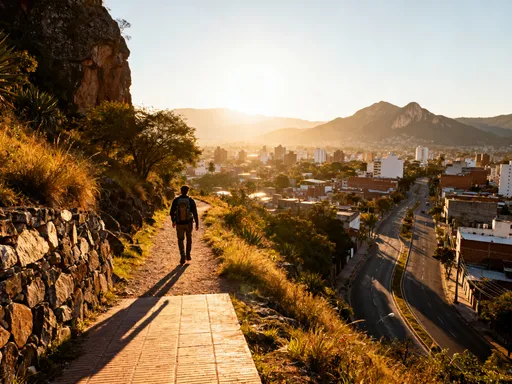
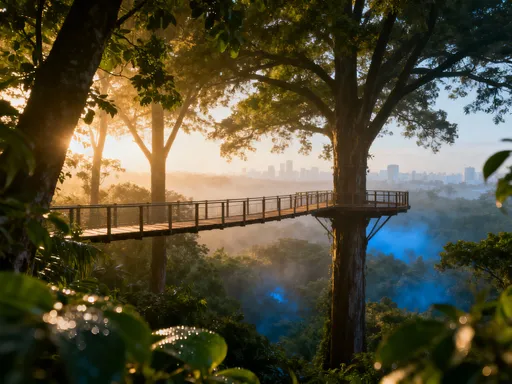
Córdoba offers several key zones where city and trail intersect, each with its own character and appeal. One of the most popular starting points is Cerro de la Cruz, located just west of the city center. The trailhead begins near a busy intersection, but within minutes, the noise fades. The ascent is moderate, gaining about 150 meters in elevation, and rewards hikers with one of the most iconic views in the region—the city sprawling below, framed by the distant peaks of the Sierras. Benches along the way invite rest and reflection, and the summit features a large white cross, a landmark visible from much of Córdoba.
Another favorite is Cerro Aspero, a bit farther out but still within easy reach by public transport. This trail is steeper and rockier, offering a more rugged experience. The path winds through granite outcrops and native shrubs, with sections that require using your hands for balance. It’s a favorite among locals looking for a more challenging workout. At the top, panoramic views stretch across the Punilla Valley, especially stunning at sunrise when the mist rises from the hills. Because it’s less touristy, Cerro Aspero retains a sense of authenticity—you’re likely to share the trail with school groups, fitness walkers, or elderly couples enjoying a Sunday outing.
For those interested in longer excursions that begin in the city, the lower access points near Parque Nacional Quebrada del Condorito are worth exploring. While the full national park is located about 40 kilometers west, some foothill trails connect to the broader network that leads into protected wilderness. These routes are best suited for experienced hikers or those joining guided groups, but they demonstrate how urban trails can serve as gateways to deeper adventures. The transition is gradual—first paved sidewalks, then dirt paths, then high-altitude grasslands where condors sometimes soar overhead.
All of these areas are accessible by foot or public transportation from central neighborhoods, making them inclusive options for residents and visitors alike. Local buses serve most trailheads, and signage is generally clear, though not always in English. Trail conditions vary—some paths are well-maintained with stone steps and railings, while others are more natural and can become slippery after rain. It’s wise to check conditions before heading out, especially during the summer months when afternoon thunderstorms are common.
How to Plan Your Urban Hike Like a Local
One of the joys of hiking in Córdoba is how easy it is to get started, but a little preparation goes a long way. The best times to hike are early morning or late afternoon. Midday sun, especially in summer, can be intense, and temperatures on exposed trails can rise quickly. Mornings offer cool air, soft light, and fewer people—perfect for a peaceful walk. Late afternoons bring golden hour views and the chance to see the city lights begin to twinkle as dusk falls.
What you pack matters, even for short hikes. Always carry enough water—Córdoba’s dry climate means dehydration can happen faster than you expect. A reusable water bottle is ideal, and some parks have refill stations. Sun protection is essential: wear a wide-brimmed hat, sunglasses, and sunscreen. The UV index here is often high, and shade can be limited on open ridges. A light, breathable layer is useful too—mornings can be cool, and winds at higher elevations can be brisk, even in summer.
Footwear is key. While some trails are paved or gravel-packed, others involve loose stones, steep inclines, or uneven terrain. Sturdy walking shoes or hiking boots with good grip will make your experience safer and more comfortable. Avoid sandals or flat-soled shoes, especially on rocky or wet paths. A small backpack to carry your water, snacks, and extra layer is all you really need—keep it simple.
Safety is generally not a concern on these well-traveled routes, but it’s wise to let someone know your plans, especially if you’re venturing beyond the most popular trails. Stick to marked paths, and avoid hiking alone at night. Cell service is usually reliable near the city, but it can fade in more remote sections. If you’re unfamiliar with the area, consider downloading an offline map or using a GPS app before you leave.
Local park services often post trail updates on their websites or social media, especially after heavy rains or seasonal maintenance. Checking these before your hike can help you avoid closed paths or slippery conditions. Some trails may be temporarily closed during fire season, which typically runs from late spring to early fall. Respecting these closures is important for both safety and environmental protection.
Blending Nature and City Culture on the Trail
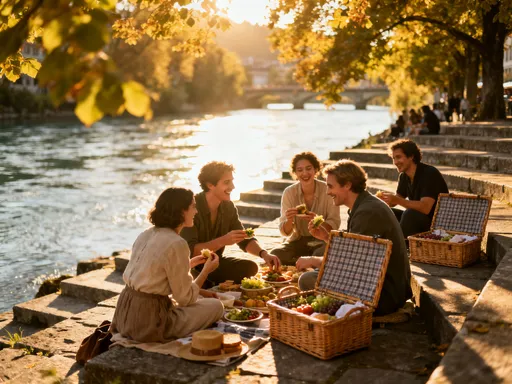
What truly sets urban hiking in Córdoba apart is the way it intertwines nature with daily life. You don’t leave the city behind—you move through its living fabric. Near trailheads, you’ll often find small kiosks selling bottled water, empanadas, or cold drinks. Vendors may greet regular hikers by name, offering a warm sense of community. On weekends, families gather in parks with blankets and picnic baskets, turning green spaces into lively social hubs.
As you climb, the sounds of the city don’t vanish—they blend. The hum of traffic fades, replaced by birdsong, rustling leaves, and the occasional church bell ringing in the distance. You might hear children laughing in a nearby playground or catch the scent of *asado*—Argentine barbecue—drifting from a backyard grill. These sensory details ground the experience in place, reminding you that you’re not in a wilderness preserve, but in a city that values both progress and pause.
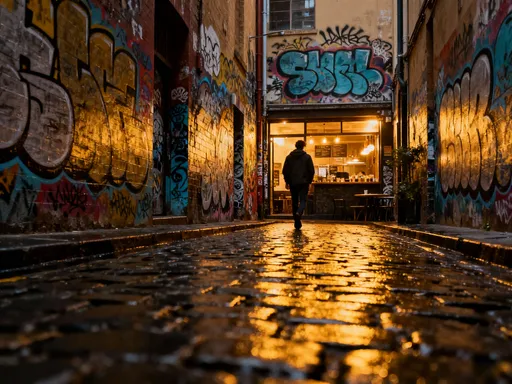
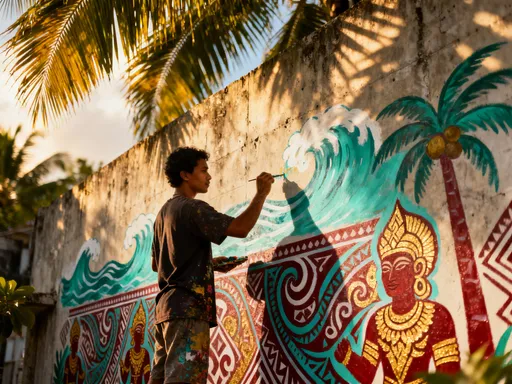
Along some urban paths, you’ll encounter public art—murals painted on retaining walls, sculptures tucked into green spaces, or handcrafted signs made by local schools. These touches add character and tell stories of the neighborhoods you’re passing through. In some areas, trailside benches are inscribed with quotes from poets or philosophers, inviting moments of reflection. It’s clear that these spaces are not just for exercise, but for enrichment.
This cultural layer makes hiking in Córdoba more than just a physical activity—it becomes a form of urban exploration. You see how people live on the hillsides, where homes are built into the slope, connected by narrow staircases and winding paths. You notice how gardens are terraced into the rock, how laundry flutters on lines between houses, how cats nap in sunlit corners. These quiet observations create a deeper understanding of the city and its people.
From Urban Path to Mountain Escape: Expanding Your Adventure
One of the most exciting aspects of Córdoba’s trail system is how it serves as a gateway to broader adventures. The same network that lets you hike from your neighborhood to a city viewpoint can also lead you into the heart of the Sierras. Many experienced hikers use urban trails as warm-ups before continuing into more remote areas. For example, a walk up Cerro de las Rosas can connect to longer routes that wind through the hills toward towns like Villa Carlos Paz or Cosquín.
For those seeking a full day in nature, there are organized group hikes that start in the city and travel deeper into the mountains. These outings are often led by local outdoor clubs or guided tour companies and include transportation, safety support, and educational commentary about the region’s geology and ecology. They’re a great way to meet fellow hikers and gain confidence in navigating longer trails.
The Sierras Grandes, a higher and wilder range west of the city, offer multi-day treks, alpine meadows, and crystal-clear streams. While these require more planning and gear, they’re accessible to determined day-trippers who start early. Some hikers take a morning bus to a trailhead, hike for six to eight hours, and return by evening. Others break the journey with an overnight stay in a mountain refuge or small guesthouse.
The beauty of this system is its flexibility. You don’t have to choose between city life and wilderness—they’re connected. Whether you have an hour or a weekend, there’s a path that fits. And because the transition is gradual, you can ease into longer hikes as your fitness and confidence grow. This inclusivity is part of what makes Córdoba’s outdoor culture so welcoming.
Making the Most of Your Experience: Tips for a Meaningful Hike
To truly enjoy urban hiking in Córdoba, it helps to slow down and be present. These trails are not races—they’re invitations to notice, breathe, and reconnect. Take time to observe the small things: a lizard darting between rocks, wildflowers blooming in crevices, the way light shifts on the mountainside as clouds pass. These details enrich the experience and deepen your appreciation for the natural world.
Respect is another key element. This includes respecting the environment—staying on marked paths, packing out all trash, and avoiding picking plants or disturbing wildlife. It also means respecting local customs. Many of these trails are used by residents for quiet contemplation or family time. Keeping noise levels down, yielding to others on narrow paths, and greeting fellow hikers with a simple *buenos días* goes a long way in fostering goodwill.
Practicing mindfulness on the trail can have lasting benefits. Studies have shown that walking in green spaces reduces stress, improves mood, and enhances creativity. In a world that often feels fast and fragmented, a hike through Córdoba’s urban-nature corridors offers a chance to reset. The rhythmic motion of walking, the fresh air, the changing scenery—all contribute to a sense of well-being that stays with you long after you return home.
To make a hike a full experience, consider pairing it with a visit to a local market, café, or artisan shop. After a morning on Cerro de la Cruz, you might stop at a bakery in the nearby neighborhood of Barrio Nuevo for *medialunas* and coffee. Or after a walk in Quebrada de los Chorrillos, enjoy a late lunch at a family-run restaurant serving *locro*, a traditional stew. These small pleasures turn a simple hike into a meaningful day out, blending activity with culture and connection.
For visitors, these hikes offer an authentic way to experience Córdoba beyond the museums and plazas. You see how locals live, move, and find joy in everyday moments. For residents, they provide a sanctuary within the city—a place to recharge, reflect, and remember what matters.
Urban hiking in Córdoba isn’t just about movement—it’s about connection. It’s where city dwellers and travelers alike find balance between nature and daily life. These trails invite you to see a city from a new angle, one step at a time. Whether you're local or visiting, lacing up your shoes and hitting the path might just be the most authentic way to experience Córdoba.