You Won’t Believe What Happens When the Mekong Comes Alive
Deep in southern Laos, where the Mekong River fractures into a maze of islands, time slows down—and culture pulses through the water. I arrived in Si Phan Don expecting hammocks and sunsets, but stayed for something far richer: a living festival culture shaped by centuries of tradition. During my weeks exploring these quiet isles, I discovered how local communities celebrate life, nature, and faith in ways that feel both ancient and deeply present. This is travel at its most authentic—raw, real, and unforgettable. The rhythm of daily life here is set not by clocks, but by the rise and fall of tides, the chanting of monks at dawn, and the seasonal return of festivals that transform the islands into stages of devotion, joy, and unity. What unfolds when the Mekong comes alive is not a performance for tourists, but a sacred inheritance passed from one generation to the next.
Arrival in the Archipelago: First Impressions of Si Phan Don
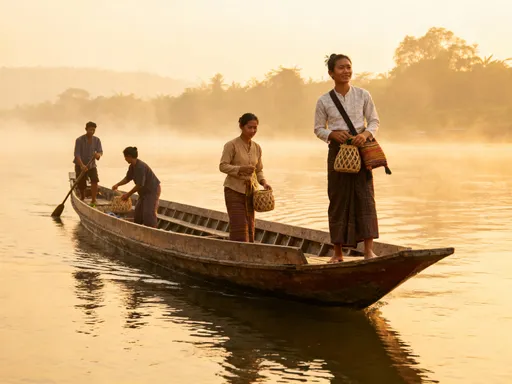
The journey to Si Phan Don begins with a shift in pace. After traveling south from Pakse, the last major town before the Cambodian border, the paved roads give way to red-dirt paths, and the skyline clears to reveal endless stretches of river and greenery. Crossing the bridge from Don Det to Don Khon, one feels the world grow quieter. The air carries the scent of wet earth and frangipani blossoms, and the only sounds are the rustle of palm leaves, the distant chime of temple bells, and the soft splash of paddles in the water. Wooden guesthouses line the banks, their open-air verandas draped with hammocks. Bicycles, the islanders’ primary mode of transport, lean against bamboo fences, ready for a slow ride along dusty trails.
At first glance, Si Phan Don—meaning 'Four Thousand Islands'—appears to be a place suspended in stillness. Days pass with a gentle, unhurried rhythm. Children wade in shallow channels, fishermen mend their nets under shaded awnings, and elders sip jasmine tea beneath thatched roofs. But beneath this tranquil surface runs a deep cultural current. The islands are not just a retreat from modern life; they are a living archive of Lao traditions, where spirituality and community are interwoven with the natural world. The Mekong is not merely a river here—it is a source of food, transport, and faith. And when the festival season arrives, its waters become a stage for one of Southeast Asia’s most heartfelt cultural expressions.
The Spirit of the Mekong: Understanding Festival Roots
To understand the festivals of Si Phan Don, one must first understand the soul of the Mekong. For centuries, the river has shaped the lives of those who live along its banks. In this region, where agriculture and fishing sustain entire communities, the rhythms of nature dictate the calendar. Floods bring fertility, droughts test resilience, and the changing seasons are marked not by commercial holidays, but by spiritual observances that honor the balance between humans and the environment.
The roots of these celebrations lie in a unique blend of Theravada Buddhism and animist beliefs. While Buddhism provides the formal structure of worship—temple visits, almsgiving, and meditation—animism infuses daily life with reverence for natural spirits. The Lao believe that rivers, trees, and mountains are inhabited by phi, or protective spirits, who must be respected and appeased. This dual faith system creates a worldview in which the sacred is not distant, but present in every sunrise, every fishing net cast, and every offering placed at a riverside shrine.
Festivals in Si Phan Don are not staged for tourists or designed as entertainment. They are acts of communal gratitude, spiritual renewal, and cultural continuity. When villagers gather to race boats or light candles along the riverbank, they are not reenacting tradition—they are living it. These events reinforce social bonds, transmit ancestral knowledge, and remind younger generations of their place within a larger, sacred story. In a world increasingly driven by speed and consumption, Si Phan Don’s festivals offer a powerful counter-narrative: one of slowness, reverence, and connection.
Boun Suang Huea: The Boat Racing Festival That Unites the Islands
The most vibrant expression of this cultural spirit is Boun Suang Huea, the annual boat racing festival that transforms the Mekong into a theater of energy and devotion. Typically held between September and October, during the waning days of the rainy season, the festival coincides with the end of Buddhist Lent, a period of intensified spiritual practice. As waters recede and fish return to deeper channels, communities prepare for days of racing, feasting, and merit-making.
The centerpiece of Boun Suang Huea is the long wooden racing boats, each carved from a single tree trunk and capable of holding up to fifty rowers. These vessels are not mass-produced; they are handcrafted by local artisans using traditional tools and techniques passed down through generations. Before the races begin, the boats are paraded through villages, adorned with colorful flags and floral garlands. Monks chant blessings over them, sprinkling lustral water to ensure safety and honor the river spirits.
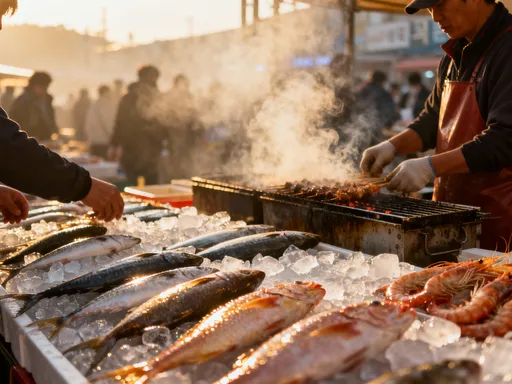
Race day begins at dawn. The riverbanks swell with villagers from across the archipelago—families spread picnic mats, elders take shaded seats on bamboo platforms, and children dart between food stalls selling sticky rice, grilled fish, and banana pancakes. As the first boat glides into position, drumbeats echo across the water, setting the pace for the rowers. The sound is hypnotic: a steady, pulsing rhythm that unites each team in perfect synchrony. Spectators cheer, not for victory alone, but for the effort, unity, and spirit on display.
Yet Boun Suang Huea is far more than a sporting event. It is a spiritual offering. Each race is seen as a way to give back to the river that sustains life. The energy, the music, the communal meals—all are forms of merit-making, believed to bring blessings to individuals and the community. Even the losing teams are celebrated, for their participation is what matters most. In this way, the festival embodies a philosophy that stands in contrast to the competitive ethos of modern life: success is not measured in wins, but in presence, effort, and harmony.
Beyond the Races: Rituals, Offerings, and Village Life
The heart of Boun Suang Huea lies not just in the races, but in the rituals that surround them. In the days leading up to the festival, elders gather in village meeting halls to recount legends of the river and the origins of boat racing. These stories—passed down orally for generations—speak of mythical serpents, ancestral heroes, and divine interventions that shaped the Mekong’s course. They are not mere folklore; they are moral guides, teaching lessons about humility, courage, and respect for nature.
Each morning, monks walk the riverbanks, accepting alms and leading prayers at small altars decorated with lotus blossoms, incense, and candles. Villagers kneel on woven mats, their heads bowed, offering fruits, rice cakes, and handwoven textiles. The scent of sandalwood lingers in the air, blending with the cool mist rising from the water. At dawn, the sound of chanting drifts across the islands, a soft, melodic reminder of the spiritual foundation beneath the celebration.
Children play a vital role in the preparations. Girls weave garlands of jasmine and frangipani, which are later hung on boats and temple eaves. Boys help paint paddles and carry ceremonial items to the river’s edge. These tasks are not chores—they are rites of passage, moments when young people are initiated into the community’s values. An elder once told me, 'We do not teach our children through books. We teach them by letting them live the tradition.' In this way, culture is not preserved in museums, but in the daily acts of participation, memory, and devotion.
Traveler’s Role: How to Experience Festivals Respectfully
For visitors, witnessing Boun Suang Huea is a rare privilege. But with that privilege comes responsibility. The festival is not a spectacle to be consumed; it is a sacred moment in the life of a community. Travelers should approach it with humility, awareness, and a willingness to listen more than they speak.
Timing a visit around the festival season requires planning. Since Boun Suang Huea follows the lunar calendar, exact dates vary each year. The best way to confirm timing is to consult local guesthouses or community tourism offices in advance. When attending, visitors should dress modestly—shoulders and knees covered—as a sign of respect, especially when near temples or during ceremonies. It is also important to ask permission before taking photographs, particularly during private rituals or when capturing images of monks and elders.
Participation should be guided by invitation. While tourists are welcome to watch races and enjoy public festivities, they should refrain from joining processions or rituals unless explicitly invited. However, there are meaningful ways to engage: purchasing food from local vendors, attending cultural performances, or learning traditional crafts like weaving or basket-making from community artisans. Staying in family-run homestays not only provides authentic lodging but also supports the local economy directly. These homes often offer meals made from garden-grown ingredients and opportunities to hear stories from hosts who have lived on the islands for decades.
Respect also means minimizing environmental impact. The Mekong’s ecosystem is delicate. Travelers should avoid single-use plastics, dispose of waste properly, and refrain from disturbing wildlife or sacred sites. By traveling mindfully, visitors honor not only the culture but the land and water that sustain it.
Off-Season Magic: Keeping Culture Alive Year-Round
While Boun Suang Huea is the most visible expression of cultural life in Si Phan Don, the spirit of the festival endures throughout the year. Even in the quiet months, traditions continue in subtler forms. Each morning, villagers walk to temples to offer alms to monks, a practice known as tak bat. The soft clink of rice bowls and the rustle of saffron robes are constants in island life, a daily reminder of spiritual commitment.
Traditional crafts remain vital. On Don Khon and Don Det, women weave intricate textiles on wooden looms, using patterns that tell stories of their ancestors. These fabrics are not made for tourists—they are worn during ceremonies, given as gifts, and used in home altars. Visitors can learn about the process through community workshops, where artisans explain the symbolism behind colors and designs. Similarly, elders gather in the evenings to share folktales under the moonlight, keeping oral history alive for younger generations.
Smaller festivals also mark the calendar. One of the most beautiful is Boun Ok Phansa, which celebrates the end of Buddhist Lent. On this night, communities create krathong—small, lotus-shaped floats made of banana leaves, candles, and flowers—and release them onto the river. As hundreds of flickering lights drift downstream, the water glows like a galaxy. The scene is peaceful, poetic, and deeply moving. Unlike large festivals, Boun Ok Phansa is often experienced quietly, with families praying together and reflecting on the past months of spiritual observance.
These year-round practices reveal a truth often missed by short-term travelers: authenticity is not confined to peak seasons. It lives in the everyday—the way a grandmother teaches her granddaughter to weave, the way a fisherman pauses to leave an offering before casting his net, the way a monk smiles as he accepts a bowl of rice. To experience Si Phan Don fully is to embrace the slow, the subtle, and the sacred in equal measure.
Why Si Phan Don’s Festival Culture Matters—And How to Protect It
In an age of rapid change, Si Phan Don’s cultural traditions face quiet but real pressures. Infrastructure development, including hydropower projects on the Mekong, threatens fish migration and alters river ecosystems. Increased tourism, while beneficial economically, risks turning sacred events into commodified performances if not managed with care. The younger generation, exposed to global media and urban opportunities, may drift away from ancestral practices if they do not see their value reflected in modern life.
Yet there is hope. Community-led tourism initiatives are growing, with locals taking charge of guiding, homestays, and cultural education. These efforts ensure that tourism benefits residents directly and that visitors receive accurate, respectful insights into Lao ways of life. Schools on the islands are beginning to incorporate traditional knowledge into their curricula, teaching children not only math and science but also folklore, weaving, and environmental stewardship.
Travelers, too, have a role to play. Mindful tourism is not about avoiding popular destinations, but about engaging with them ethically. This means choosing operators who prioritize sustainability, respecting local customs without exoticizing them, and valuing depth over convenience. It means understanding that a festival is not a backdrop for a photograph, but a living tradition that deserves protection.
Si Phan Don should not be seen as a hidden gem to be discovered and shared widely, but as a living cultural landscape to be approached with reverence. When the Mekong comes alive during Boun Suang Huea, it is not performing for the world—it is celebrating itself. And those who witness it are not spectators, but guests in a long, sacred story. By traveling with care, listening with humility, and honoring what we see, we become part of the preservation of something rare and beautiful: a culture that flows as steadily as the river itself.