You Won’t Believe Where I Ate in Bern — Public Spaces with the Best Local Flavors
Bern isn’t just about clock towers and bears — it’s a food lover’s dream hiding in plain sight. I stumbled upon something wild: some of the city’s most authentic eats happen *outside*, in public squares, under arcades, and along the Aare River. No fancy reservations, no hidden menus — just real people, fresh flavors, and that Swiss precision in every bite. If you think Bern is all history and hiking, think again. The capital of Switzerland pulses with a quiet culinary rhythm, one that unfolds not behind closed restaurant doors but in the open air, where tradition meets spontaneity. Here, food isn’t an event you schedule — it’s a part of daily life, woven into the streets, shared on benches, and savored beside flowing water. This is urban dining at its most genuine.
The Unexpected Food Scene in Bern’s Public Heart
Bern’s Old Town, a UNESCO World Heritage site, is often praised for its medieval charm, sandstone facades, and the famous Zytglogge clock tower. Yet beyond the postcard views lies a lesser-known truth: this historic center functions as one of Europe’s most vibrant open-air dining rooms. The city’s iconic arcades — known locally as Lauben — stretch for over six kilometers, forming a continuous covered walkway that shelters not only shoppers but also a thriving network of food vendors. These aren’t tourist traps tucked into side alleys; they are embedded in daily life, serving locals who stop for a quick lunch between errands or a mid-morning pastry with coffee.
Every Tuesday and Saturday, the Kramgasse and Marktgasse transform into bustling market streets, where farmers, bakers, and cheesemakers set up stalls beneath the arcades. The air fills with the scent of freshly baked bread, roasted chestnuts in winter, and the savory aroma of käsewähe — a Swiss specialty resembling a dense cheese tart made with Emmental and cream. A bratwurst stand near the Bundeshaus sells sausages grilled to perfection, served on a roll with a dab of mustard that carries just the right amount of heat. These moments are not curated experiences — they are spontaneous, accessible, and deeply rooted in Swiss culinary tradition.
What makes Bern’s public food culture so unique is its integration with urban design. Unlike cities where street food is an afterthought or restricted to specific zones, Bern embraces it as a natural extension of public life. The Lauben provide shelter from rain and snow, allowing vendors to operate year-round, while the city’s pedestrian-friendly layout encourages slow movement and frequent stops. This seamless blend of heritage and hunger creates a rhythm all its own — one where eating in public is not just allowed but celebrated. It’s a city that understands food is not merely fuel, but a social act, a moment of pause, and a way to connect with place.
Kornhauskeller: Where History Meets a Meal (But Not the Whole Story)
No discussion of Bern’s dining scene would be complete without mentioning Kornhauskeller, a grand restaurant housed in a converted 18th-century granary. With its vaulted ceilings, chandeliers, and ornate woodwork, it’s often highlighted as a must-visit for tourists seeking a taste of Swiss elegance. And while the restaurant itself offers a refined experience — think creamy mushroom soup in bread bowls and tender veal in creamy sauce — the real story unfolds just outside its doors.
During lunchtime, the plaza in front of Kornhauskeller becomes a dynamic food hub. Office workers from nearby government buildings line up at small kiosks selling warm pretzels, rösti wrapped in paper, and takeaway salads in compostable containers. Students from the University of Bern gather on the stone steps, sharing sandwiches and apple slices while reviewing notes. The contrast is striking: inside, a formal dining experience steeped in history; outside, a casual, communal meal culture that reflects how most locals actually eat.
This duality captures Bern’s character — respectful of tradition but not bound by it. The city honors its architectural heritage while allowing modern life to unfold naturally within it. Food, in this context, becomes a bridge between past and present. You don’t need a reservation to participate in Bern’s culinary culture; you just need to be present, willing to eat where you stand, sit, or stroll. The takeaway from Kornhauskeller isn’t just the meal — it’s the realization that the most authentic experiences often happen in the margins, not the spotlight.
The Aare Riverbanks: More Than a View — A Picnic Culture
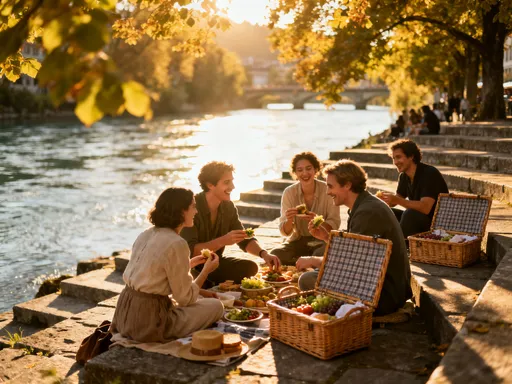
If Bern has a soul, it flows with the Aare River. This emerald-green waterway curves around the Old Town like a protective arm, offering some of the most breathtaking urban scenery in Europe. But for locals, the river is more than a view — it’s a lifestyle. On warm days, the grassy banks near Nydeggbrücke come alive with picnickers, swimmers, and sunbathers, many of whom arrive with carefully packed meals in cloth bags or waterproof containers.
It’s common to see families spreading out checkered blankets with homemade raclette wraps — a creative twist on the classic melted cheese dish, rolled into tortillas with ham and pickles. Others enjoy slices of butter cake, fresh cherries, or small bottles of chilled fendant, a crisp white wine from the nearby Valais region. Some take a dip in the river first, floating downstream with their clothes and snacks in floating bags, then emerge to dry off and eat on the rocks. This ritual — swim, dry, eat — is a beloved summer tradition, especially among young professionals and students.
What makes this riverside dining so special is its unscripted nature. There are no vendors, no tables, no service — just people, food, and nature. The city supports this culture by maintaining clean access points, providing trash and recycling bins, and ensuring safe swimming conditions. This trust in public behavior reflects a deeper value: that shared spaces can be both beautiful and functional when treated with care. The Aare Riverbanks are not just a scenic backdrop — they are an essential part of Bern’s food culture, where eating outdoors is not a luxury but a joyful, everyday practice.
Farmers’ Markets as Social Hubs: Bümpliz to Matte
Bern’s weekly farmers’ markets are more than places to buy groceries — they are vibrant social events that bring together communities across the city. From the bustling Bümplizmarkt in the west to the smaller, neighborhood-focused markets in Matte and Länggasse, these gatherings turn public squares into open-air tasting rooms. Here, food is not just consumed — it’s shared, discussed, and celebrated.
At Bümplizmarkt, one of the largest in the region, farmers arrive before dawn to set up stalls brimming with seasonal produce. Plump strawberries from local fields, jars of wildflower honey, wheels of Emmental cheese with their signature holes, and baskets of just-picked herbs create a sensory feast. Vendors offer samples freely — a slice of fresh goat cheese on a cracker, a spoonful of homemade plum jam — inviting passersby to taste the region’s bounty. Children squeal with delight at stands selling goat milk ice cream, its flavor rich and slightly tangy, a far cry from mass-produced versions.
These markets are not transactional; they are relational. Shoppers chat with farmers about growing conditions, recipe ideas, and the best time to harvest rhubarb. Couples linger over fladenbrot — a thin, wood-fired flatbread brushed with olive oil and sprinkled with herbs — tearing off pieces and feeding each other as they walk. The atmosphere is warm, unhurried, and deeply communal. In these moments, food becomes a language of connection, and the market square transforms into a stage for everyday joy.
What sets Bern’s markets apart is their integration into the urban fabric. They don’t feel like special events that happen once a week — they feel like essential services, as natural as buying bread or mailing a letter. The city supports this by allocating prime public space, ensuring accessibility by public transit, and maintaining high standards for vendor selection. As a result, these markets are not just places to eat — they are places to belong.
Street Food Beyond the Obvious: Hidden Bites in Plain Sight
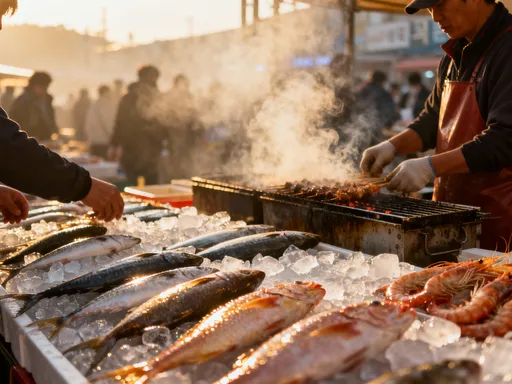
Bern’s street food scene defies expectations. Unlike larger cities where food trucks dominate, Bern’s best bites come from small, permanent kiosks and seasonal pop-ups tucked into public spaces. These are not flashy stalls with neon signs, but modest setups that prioritize quality over spectacle. Look closely, and you’ll find them near the Federal Palace, beneath the Rosengarten, and along the promenade by the river.
One favorite is a tiny stand near the parliament building that serves spätzle — soft egg noodles — in paper cones, tossed with butter and fried onions. It’s a humble dish, but the noodles are made fresh daily, and the aroma draws people from blocks away. Another gem offers apple strudel to go, its flaky pastry wrapped around warm, cinnamon-scented fruit, served with a dollop of whipped cream in a recyclable cup. On hot days, vendors sell craft lemonade infused with alpine herbs like mint, lemon balm, and yarrow, offering a refreshing alternative to sugary sodas.
What makes these micro-vendors so successful is the city’s thoughtful urban planning. Bern enforces strict hygiene and zoning regulations, ensuring that street food remains clean, safe, and well-integrated into the public realm. Unlike cities where street vendors operate in legal gray areas, Bern’s approach is structured and supportive, allowing small businesses to thrive without cluttering sidewalks or creating waste. The result is a street food culture that feels refined rather than chaotic — proof that even casual eating can reflect Swiss precision and care.
For visitors, discovering these hidden bites becomes a kind of treasure hunt. There’s no app or guidebook that lists them all — you find them by walking, observing, and following the scent of fresh pastry or grilled meat. This element of discovery adds to the charm, turning a simple lunch into a small adventure. In a world of algorithm-driven recommendations, Bern reminds us that some of the best experiences are still found by chance.
Public Seating as Culinary Infrastructure
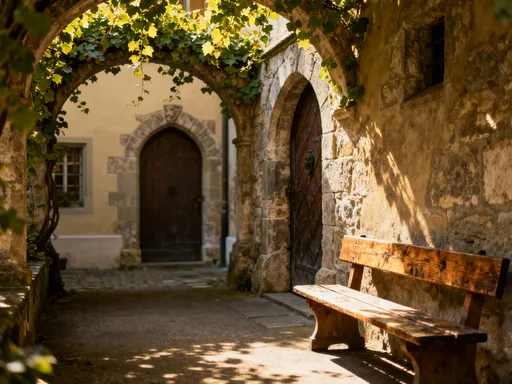
In Bern, benches are not just places to rest — they are essential components of the city’s food culture. Scattered throughout the Old Town, along riverbanks, and beneath trees in public gardens, these seating areas function as informal dining rooms. Locals use them to enjoy takeaway coffee from independent cafés, buttery croissants from family-run bakeries, or simple sandwiches from corner delis. The city’s design encourages this behavior, with wide sidewalks, ample seating, and a ban on motorized traffic in the historic center.
Near the Zytglogge, it’s common to see people sitting on stone steps with their morning coffee, watching the clock’s animated figures perform their hourly dance. Tourists pause with ice cream cones, while office workers eat salads from reusable containers during short breaks. These moments of pause are not rushed — they are deliberate, often accompanied by people-watching, reading, or quiet conversation. The city’s layout supports slow living, making it easy to linger without feeling out of place.
This intentional design reflects a deeper philosophy: that public space should serve human needs in their fullest sense. Eating is not just a private act confined to homes or restaurants — it is a public one, worthy of comfort, dignity, and beauty. By providing clean, accessible seating in shaded, scenic locations, Bern elevates the simple act of eating into a form of urban enjoyment. It’s a quiet rebellion against the fast-food model, where meals are consumed in cars or at standing counters. Here, even a five-minute break becomes a moment of nourishment — for body and soul.
Why This Matters: The Future of Urban Eating
Bern’s approach to public food culture offers a powerful model for cities worldwide. In an era when urban spaces often feel sterile, commercialized, or unwelcoming, Bern demonstrates how food can humanize the city. By allowing meals to happen in parks, plazas, and along rivers, the capital fosters connection, accessibility, and authenticity. It shows that great urban design isn’t just about buildings and transit — it’s about creating environments where people feel comfortable enough to eat, rest, and linger.
This model has broader implications. As cities grapple with rising loneliness, sedentary lifestyles, and the decline of public interaction, Bern’s food-centered public life offers a solution. When people eat together in shared spaces — even in silence, side by side — they reinforce a sense of community. They see each other, smell the same foods, enjoy the same views. These small, daily interactions build social cohesion in ways that formal programs cannot.
Moreover, Bern’s emphasis on local, seasonal, and sustainably sourced food aligns with growing global concerns about health and the environment. Farmers’ markets reduce food miles, street vendors support small businesses, and riverside picnics encourage mindful consumption. The city doesn’t need flashy campaigns to promote sustainability — it’s built into the way people eat every day.
For the traveler, especially the thoughtful woman between 30 and 55 who values authenticity, comfort, and cultural insight, Bern offers a rare gift: a city that feels both grand and warm. It doesn’t shout its charms — it whispers them, in the rustle of a paper bag holding warm bread, in the laughter of children chasing ice cream, in the quiet moment of sipping tea on a sunlit bench. This is not a destination of spectacle, but of substance. It invites you not to watch, but to participate — to sit, to eat, to belong.
So the next time you think of Bern, don’t just picture the bears or the clock tower. Picture a woman in a linen dress unfolding a napkin on a riverside rock, sharing cheese and fruit with her daughter. Picture a man on his lunch break, savoring a käsewähe under the arcades, watching the world go by. Picture yourself, too, in that moment — not as a visitor, but as part of the rhythm. Because in Bern, the best meals aren’t served on fine china. They’re shared on benches, wrapped in paper, and remembered long after the last bite.