You Won’t Believe These Hidden Structures in the Grand Canyon
Most people think of the Grand Canyon as just layers of rock and endless vistas—but I stumbled upon something few ever see: human-made wonders tucked into the wild. Far from the crowded South Rim, I found ancient stone dwellings, forgotten watchtowers, and rustic trailside shelters that blend into the cliffs. These off-the-beaten-path architectural gems reveal a side of the canyon most visitors never experience. This is exploration at its rawest. While millions come each year to gaze over the edge, very few venture deep enough to witness the quiet legacy of those who once lived, worked, and watched over this immense landscape. These structures—humble yet enduring—offer a profound connection to history, resilience, and the human instinct to belong within nature’s grandest theater.
Beyond the Viewpoints: A Different Kind of Grand Canyon
The Grand Canyon draws nearly six million visitors annually, most of whom gather along the South Rim’s paved walkways, snapping photos at Mather Point or Yavapai Observation Station. The views are undeniably breathtaking—layers of red rock stretching for miles, carved by time and the Colorado River. Yet, for all its fame, the canyon’s deeper story remains hidden beneath the surface of mainstream tourism. Beyond the overlooks lies a quieter, more intimate world: one shaped not only by geology but by human hands. This is a landscape where architecture and environment merge in subtle harmony, where stone shelters cling to cliffsides and weathered cabins sit silently in remote canyons.
While the natural formations dominate guidebooks and postcards, the built structures scattered throughout the park tell a parallel narrative—one of survival, stewardship, and adaptation. These are not grand monuments or modern facilities, but modest constructions born of necessity. They were built by people who knew the canyon not as a spectacle, but as a home, a workplace, or a route through one of the most demanding terrains in North America. To discover them requires stepping off the beaten path, trading convenience for curiosity, and embracing the slower rhythm of backcountry travel.
Exploring these hidden sites shifts the experience from passive observation to active discovery. Instead of merely looking out, you begin to look in—into crevices, behind ridges, along dry creek beds where a stone wall might catch your eye. The journey becomes layered, much like the canyon itself. Each structure holds a story: who built it, why it was placed there, how it endured. And in learning these stories, visitors gain a richer, more personal understanding of the Grand Canyon—one that transcends panoramic views and touches on the enduring relationship between people and place.
Ancestral Footprints: The Cliff Dwellings and Stone Shelters
Long before the Grand Canyon became a national park, it was home to people who lived in harmony with its rugged terrain. Archaeological evidence shows that the area has been inhabited for at least 12,000 years, with the Ancestral Puebloans among the most well-documented early cultures. These communities left behind a legacy of stone structures—small dwellings, storage rooms, and ceremonial spaces—carefully constructed within alcoves and on ledges where the sandstone overhangs offered natural protection. Though not as extensive as those found in Mesa Verde or Chaco Canyon, the remnants in the Grand Canyon are no less significant.
One of the more accessible sites is the Tusayan Ruin, located just off Desert View Drive on the South Rim. Here, visitors can see the preserved foundation of an 800-year-old village, including a circular kiva used for communal gatherings. While this site is maintained and interpreted by the National Park Service, many other similar structures lie deeper in the backcountry, reachable only by foot or mule. Along trails like the Clear Creek or Bass Trail, hikers may catch sight of low stone walls nestled in side canyons—remnants of seasonal camps or lookout points used by ancient inhabitants.
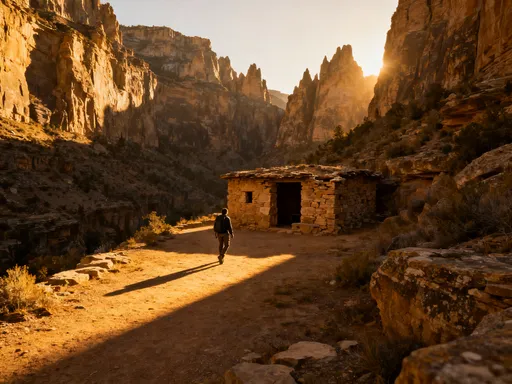
These buildings were constructed using locally sourced materials: sandstone blocks shaped by hand, bound together with mud mortar, and arranged into compact rooms no larger than ten feet across. Their placement was strategic—often facing south to capture winter sunlight, sheltered from wind and rain, and situated near water sources or game trails. The architecture reflects a deep understanding of the environment, one that prioritized sustainability and resilience over permanence. These were not meant to last centuries, yet many have, quietly enduring through time.
What makes these sites especially powerful is their humility. They do not dominate the landscape; they belong to it. There is no grandeur in the way modern buildings often assert themselves. Instead, these structures blend into the rock, their edges softened by centuries of wind and rain. To stand beside one is to feel a quiet reverence—not just for the craftsmanship, but for the lives that once unfolded within these walls. They remind us that human presence in the canyon was never about conquest, but coexistence.
Ranger Shacks and Trailside Cabins: The Legacy of Early Park Stewards
As the Grand Canyon transitioned from remote wilderness to protected national treasure in the early 20th century, a new kind of architecture emerged—one dedicated to preservation and service. Park rangers, trail crews, and maintenance workers needed places to stay during long patrols, especially in areas far from developed infrastructure. The result was a network of small, functional cabins and shacks built along key trails and remote outposts. Constructed between the 1920s and 1950s, these buildings reflect a philosophy of minimal impact and practical design.
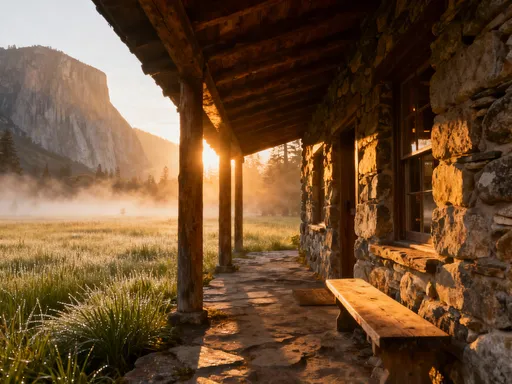
One of the most well-known clusters of these structures can be found near Phantom Ranch, the only lodging facility below the canyon rim. Built in the 1920s by architect Mary Colter, the ranch includes rustic cabins made of native stone and timber, designed to blend seamlessly with the surrounding environment. But beyond this central hub, other smaller shelters dot the Tonto Trail and Bright Angel Trail, often perched on narrow benches or tucked into side canyons. These were not built for comfort, but for survival—offering basic protection from the elements during multi-day treks.
Materials were transported by mule trains, a painstaking process that limited size and complexity. As a result, the cabins are modest—typically single-room structures with wood frames, stone foundations, and corrugated metal or wooden roofs. Windows are small, doors low, and interiors spartan. Yet, their endurance speaks to the quality of their construction. Many still stand today, maintained in a state of “arrested decay” by park preservation teams to honor their historical value without restoring them to full use.
These buildings represent an era when park management was deeply personal and hands-on. Rangers would spend weeks at a time monitoring trails, assisting hikers, and documenting wildlife. Their presence ensured the safety of early visitors and helped protect the canyon’s fragile ecosystems. The cabins are more than shelter—they are symbols of dedication, a testament to those who chose to live in isolation for the sake of conservation. To come across one deep in the backcountry is to feel a connection to that legacy, a reminder that stewardship often means quiet service, far from recognition.
Lookout Towers with a Purpose: Forgotten Watchpoints
Perched on narrow ridges and side rims throughout the canyon are the remains of once-functional fire lookout towers—silent sentinels of a bygone era in park management. Built primarily in the mid-20th century, these towers served as early warning stations for wildfires, one of the greatest threats to the canyon’s delicate ecosystem. Staffed by seasonal observers, they provided unobstructed views across vast stretches of forest and desert, allowing for quick detection and response to smoke plumes.
Most of these towers followed a standardized design: a wooden cabin mounted on a steel or stone tower, elevated ten to fifteen feet above the ground for better visibility. The interiors were minimal—just enough space for a cot, a desk, a radio, and a fire-spotting scope. Access was difficult, often requiring a long hike or mule ride, and supplies had to be carried in by hand. Despite the isolation, these postings attracted individuals drawn to solitude and purpose, many of whom kept detailed journals of weather patterns, animal movements, and distant hiker activity.
Today, most of these towers are no longer staffed, replaced by aerial surveillance and remote sensing technology. Yet, several still stand, particularly along the less-visited North Rim and in remote drainages like Kwagunt Valley. Their weathered wood and rusting metal evoke a sense of abandonment, yet they remain powerful symbols of human vigilance. To find one is to step into a forgotten chapter of the park’s history, where observation was both a duty and a meditation.
The architectural simplicity of these towers underscores their utilitarian purpose. They were never meant to be admired for their beauty, but for their function. And yet, there is a quiet elegance in their form—a cabin balanced on stilts, framed against the endless sky, rooted in stone. They stand as monuments to a time when protection meant presence, when someone had to be watching, day after day, to keep the wilderness safe. In an age of automation, they remind us of the value of human attention and care.
The Hidden Rest Houses: Architecture of Survival
In the early days of canyon exploration, hiking was not a recreational activity—it was a test of endurance. Trails were unmarked, water sources unreliable, and exposure to heat and storms a constant danger. To aid travelers, the National Park Service and early trail builders constructed a series of emergency rest houses along key routes like the Hermit Trail and South Bass Trail. These small stone shelters were not meant for overnight stays, but for refuge—places where a hiker could escape the midday sun or wait out a thunderstorm.
Typically no more than six feet wide and eight feet deep, these rest houses were built with thick stone walls and flat roofs made of logs covered with rock slabs and mud. The openings were narrow, reducing wind and heat entry, and the interiors offered just enough space for two or three people to sit. Their placement was strategic—located at regular intervals along steep or exposed sections, often near water collection points or trail junctions. Some even included small stone benches or niches for lanterns.
These structures were lifesavers in an era before GPS, reliable maps, or emergency beacons. Hikers venturing into the canyon did so with limited supplies and no guarantee of rescue. The rest houses provided a crucial margin of safety, reducing the risk of heatstroke, dehydration, or disorientation. Though many are now closed to use to protect their structural integrity, their presence is still felt—both as historical markers and as symbols of foresight and compassion.
What makes these shelters particularly moving is their universality. They were not built for any one person, but for anyone in need. They represent a philosophy of care embedded in the landscape itself—an understanding that even in the most remote places, human kindness can take physical form. To see one today, standing weathered but intact, is to recognize that safety and hospitality can be built into stone, just as surely as they can be spoken in words.
How to Find These Structures Responsibly
Discovering these hidden structures is a privilege, not a right, and requires both preparation and respect. Most are located in the backcountry, accessible only to those with a backcountry permit issued by Grand Canyon National Park. These permits are limited to minimize impact and ensure safety, so planning ahead is essential. Hikers should apply through the park’s official reservation system, ideally several months in advance, especially for popular corridors like the Tonto or Hermit trails.
For those unfamiliar with canyon terrain, hiring a licensed local guide can enhance both safety and understanding. Guides often have deep knowledge of the area’s history and can point out subtle features that might otherwise go unnoticed. They also help ensure compliance with park regulations, particularly around archaeological sites. Even seemingly minor actions—such as stepping on a stone wall or touching ancient mortar—can cause irreversible damage. The National Park Service emphasizes a strict **Leave No Trace** ethic, especially in culturally sensitive areas.
Topographic maps and GPS devices are invaluable tools, but they should be used alongside traditional navigation skills. Trails in the canyon can be faint or obscured, and cell service is nonexistent in most areas. Carrying paper maps, a compass, and enough water is non-negotiable. Recommended starting points for moderate exploration include the South Kaibab Trail to Cedar Ridge, the Rim Trail near Powell Point, or the walk to Tusayan Ruin—all of which offer glimpses of historic structures without requiring technical hiking skills.
Most importantly, visitors must resist the urge to explore restricted or fenced-off sites. While the desire to get closer is understandable, preservation depends on restraint. These structures are fragile, not just physically but culturally. They are protected under federal law, and unauthorized entry or disturbance can result in fines. By observing from a distance, staying on designated paths, and leaving everything as found, travelers help ensure that these quiet monuments remain intact for future generations.
Why These Hidden Buildings Matter Today
In an age of instant gratification and curated travel experiences, the hidden structures of the Grand Canyon offer something rare: authenticity. They do not dazzle with luxury or spectacle. They do not come with cafes or gift shops. Instead, they invite reflection—on time, resilience, and the quiet ways humans have learned to live within extreme environments. Each stone wall, each weathered cabin, each abandoned tower is a lesson in adaptation, a whisper from the past urging us to listen more closely to the land.
These buildings also challenge the way we think about national parks. Too often, we see them as pristine, untouched wilderness—places where human influence has been erased. But the truth is more nuanced. The Grand Canyon has been shaped by people for millennia, not just through footprints, but through thoughtful, sustainable design. The architecture found here was never about domination, but integration. It teaches us that conservation does not mean exclusion, but responsibility—that we can leave marks that honor rather than harm.
For modern travelers, seeking out these sites is an act of mindful exploration. It shifts the focus from collecting photos to cultivating understanding. It encourages us to slow down, to look beyond the overlook, and to ask not just “What can I see?” but “What can I learn?” The answers are written in stone, in the careful placement of a doorway, the slope of a roof, the orientation of a window toward the sun.
As climate change and increasing visitation place new pressures on fragile ecosystems, the lessons of these structures grow more urgent. They remind us that sustainable living is not a new idea, but an ancient practice—one rooted in observation, respect, and minimal impact. Whether we are hiking the canyon or building homes in our own communities, we can draw inspiration from those who came before: building not to impress, but to endure; not to conquer, but to belong.
The Grand Canyon’s true wonder lies not only in its vastness, but in its depth—geological, historical, and spiritual. To experience it fully is to move beyond the edge and into its hidden heart. There, in the silence between the rocks, the past speaks softly, offering wisdom to those willing to listen. Let us answer with care, with curiosity, and with the courage to explore not just the world, but our place within it.