You Won't Believe Yosemite's Hidden Architectural Gems
When you think of Yosemite, towering cliffs and thundering waterfalls probably come to mind—but what about its quiet, handcrafted lodges and rustic stone bridges? I was stunned to discover how much architectural character this park holds. Far from just nature’s masterpiece, Yosemite blends human design with wilderness in ways that feel both timeless and intentional. These structures aren’t just functional—they’re part of the experience. Nestled among ancient pines and beside glacial streams, they offer shelter, warmth, and a sense of belonging within one of the world’s most dramatic landscapes. More than a century after their construction, these buildings continue to shape how visitors connect with the natural world.
First Impressions: When Nature Meets Design
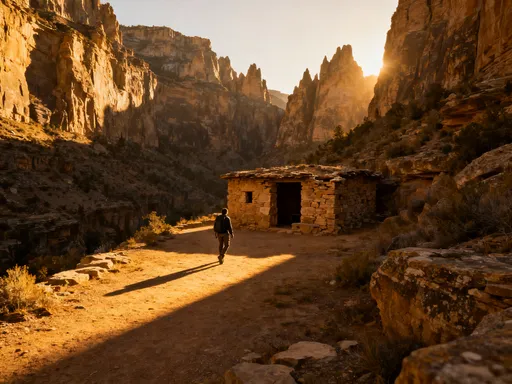
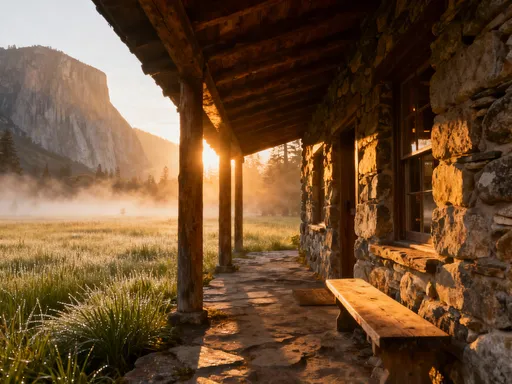
Entering Yosemite Valley for the first time, many visitors are overwhelmed by the sheer scale of the landscape—the 3,000-foot granite walls of El Capitan, the delicate arc of Bridalveil Fall, the quiet majesty of Yosemite Falls. Yet, amid this grandeur, subtle signs of human presence begin to emerge. A low-slung lodge with wide eaves appears nestled beneath a rocky outcrop. A stone footbridge crosses a meandering creek, its arches echoing the curves of nearby cliffs. These are not intrusions but invitations—carefully placed structures that guide the eye without competing with the scenery.
What sets Yosemite’s architecture apart is its restraint. Unlike modern developments that often dominate their surroundings, the park’s buildings are intentionally human-scaled. They do not rise above the tree line or block panoramic views. Instead, they sit close to the ground, using horizontal lines and natural materials to blend into the terrain. The use of local granite, cedar logs, and fieldstone ensures that colors and textures harmonize with the environment. Even the rooflines are designed to mimic the slope of nearby hills, creating a sense of continuity between built and natural forms.
This careful integration is no accident. From the earliest planning stages, architects and park planners understood that any construction within Yosemite had to serve the landscape, not the other way around. The goal was never to impress with engineering feats or architectural flamboyance, but to create spaces where people could rest, gather, and reflect—without disrupting the wild character of the place. As a result, the architecture becomes almost invisible in its success, felt more than seen, supporting the visitor experience without drawing attention to itself.
The Legacy of the National Park Service Rustic Style
The architectural harmony found throughout Yosemite is rooted in a design philosophy known as National Park Service Rustic, sometimes referred to as “Parkitecture.” Developed in the early 20th century, this style emerged as a response to concerns that modern buildings were compromising the authenticity of America’s natural treasures. The National Park Service, established in 1916, sought a design language that would allow for necessary infrastructure—lodges, visitor centers, ranger stations—without sacrificing the wild essence of the parks.
At its core, NPS Rustic emphasizes three guiding principles: integration with nature, use of native materials, and handcrafted construction. Buildings are meant to appear as if they grew from the land, using stone quarried nearby and timber felled from local forests. Roofs are steeply pitched to shed snow, and foundations are often built directly into rock formations. Windows are strategically placed to frame specific views, turning natural vistas into living artwork. Every design decision is made with the landscape in mind, ensuring that structures enhance rather than interrupt the visitor’s experience of nature.
Yosemite became one of the earliest and most influential test beds for this architectural style. Beginning in the 1920s, a series of major projects brought the principles of Parkitecture to life in ways that would influence park design across the country. The success of these efforts helped establish a national standard for how buildings should function within protected landscapes. Today, the legacy of NPS Rustic can be seen not only in Yosemite but in parks from Yellowstone to the Great Smoky Mountains, where the same ethos of humility and harmony continues to guide development.
Iconic Structures That Define the Park’s Character
Among the most celebrated examples of Parkitecture in Yosemite are its historic lodges, each a masterpiece of design and setting. The Ahwahnee Hotel, completed in 1927, stands as perhaps the most iconic. Located in the heart of Yosemite Valley, the building combines Native American, Art Deco, and Middle Eastern influences into a unique aesthetic that feels both grand and grounded. Massive stone fireplaces anchor the great hall, while hand-carved wooden beams stretch across the ceiling. Floor-to-ceiling windows offer uninterrupted views of Glacier Point and Half Dome, blurring the boundary between interior and exterior.
Equally significant is the Wawona Hotel, dating back to 1876 and expanded over subsequent decades. Situated in a quieter corner of the park, this Victorian-era resort features wide porches, gabled roofs, and a sense of timeless elegance. Its location near the Mariposa Grove of giant sequoias makes it an ideal base for exploring one of the park’s most awe-inspiring natural features. The building’s wraparound verandas invite guests to sit and listen to the rustle of leaves, while the interior retains original furnishings and period details that transport visitors back in time.
Further up the mountain, the Glacier Point Inn offers a more rugged expression of the same design philosophy. Built in 1917, the inn provides panoramic views of the High Sierra and serves as a gateway to some of the park’s most breathtaking overlooks. Constructed with heavy timber and stone, the building withstands harsh alpine conditions while maintaining a cozy, intimate atmosphere. Its proximity to the famous Glacier Point viewpoint makes it a cherished destination for those seeking solitude and grandeur in equal measure. Together, these structures form a network of architectural anchors that enrich the Yosemite experience, each one shaped by its unique location and purpose.
The Craft Behind the Stone and Timber
The creation of Yosemite’s architectural gems was no simple feat. Constructing buildings in such a remote and rugged environment required immense effort, ingenuity, and skilled labor. Materials could not be shipped in from distant factories; instead, everything had to be sourced locally and transported by horse, mule, or hand. Stone was quarried on-site or nearby, timber was harvested from surrounding forests, and even the mortar was often mixed using natural pigments to match the local geology.
One of the most remarkable aspects of these constructions is the level of craftsmanship involved. Stonemasons shaped individual blocks to fit precisely together, creating walls that have stood for over a century without major reinforcement. Carpenters used traditional joinery techniques, avoiding nails whenever possible to allow for natural expansion and contraction of wood. Roofs were layered with hand-split shingles, and interiors were finished with hand-planed paneling and custom ironwork. These details were not merely decorative—they reflected a deep respect for durability, function, and beauty.
Central to this effort was architect Gilbert Stanley Underwood, whose work defined much of Yosemite’s built environment in the 1920s and 1930s. Underwood believed that architecture should serve as a bridge between people and nature, not a barrier. His designs for the Ahwahnee Hotel and other park structures emphasized openness, natural light, and a seamless transition between indoor and outdoor spaces. Working alongside landscape architects and park planners, he ensured that every building complemented its surroundings, both visually and ecologically. The result was a body of work that remains influential today, studied by architects and admired by millions of visitors.
How Architecture Enhances the Visitor Experience
While the beauty of Yosemite’s architecture is undeniable, its true value lies in how it shapes the visitor experience. These buildings are not just shelters—they are carefully designed environments that influence how people move through, perceive, and connect with the park. From the moment a visitor steps into the great hall of the Ahwahnee, they are immersed in a space that encourages stillness, reflection, and awe. The scale of the room, the warmth of the stone, and the play of light through tall windows all contribute to a sense of reverence that mirrors the feeling of standing before a towering cliff or cascading waterfall.
Placement is equally important. Many of the park’s structures are located at key vantage points or trail junctions, serving as natural gathering places and rest stops. The Yosemite Valley Lodge, for example, sits near the base of Yosemite Falls, offering immediate access to one of the park’s most popular trails. Its low profile ensures it does not obstruct views, while its proximity to amenities makes it a convenient hub for families and first-time visitors. Similarly, trailside shelters and picnic areas are thoughtfully positioned to provide respite without disrupting the flow of the landscape.
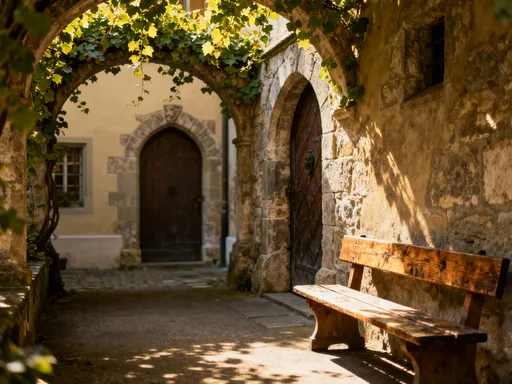
Even smaller features—like stone fireplaces at campgrounds or wooden benches along nature trails—play a vital role in enhancing comfort and connection. These elements invite visitors to pause, warm themselves, and take in their surroundings. In doing so, they foster a deeper appreciation for the natural world. Rather than rushing from one viewpoint to the next, people are encouraged to linger, observe, and engage. This intentional design philosophy transforms the park from a series of scenic snapshots into a continuous, immersive experience.
Preservation Challenges in a Living Landscape
Maintaining Yosemite’s historic architecture presents ongoing challenges. These buildings exist in a dynamic, often unforgiving environment—subject to heavy snowfall, intense summer heat, seasonal flooding, and constant exposure to the elements. At the same time, they must accommodate millions of visitors each year, placing additional strain on aging infrastructure. Balancing preservation with practicality requires careful planning, specialized expertise, and sustained investment.
One of the primary concerns is structural integrity. Many of the park’s oldest buildings were constructed before modern building codes existed, meaning they lack features like reinforced foundations or fire suppression systems. Over time, wood deteriorates, stone settles, and roofs develop leaks. Restoration projects must address these issues while staying true to original materials and techniques. For example, when replacing shingles on a historic roof, crews often use hand-split cedar to match the original texture and appearance, even though machine-cut alternatives would be faster and cheaper.
Another challenge is accessibility. As national parks strive to be welcoming to all visitors, there is a growing need to retrofit historic buildings with features like ramps, elevators, and accessible restrooms. However, adding modern amenities without compromising historical integrity requires creative solutions. In some cases, new additions are built underground or set slightly apart from the main structure to minimize visual impact. These efforts ensure that future generations can enjoy Yosemite’s architectural heritage while benefiting from contemporary safety and accessibility standards.
Why This Architectural Story Matters Beyond Yosemite
The architectural legacy of Yosemite offers more than just aesthetic pleasure—it provides a model for how humans can coexist with nature in a meaningful, respectful way. In an era of rapid development and environmental degradation, the principles of NPS Rustic stand as a quiet but powerful reminder that design can enhance rather than exploit the natural world. By prioritizing harmony, sustainability, and craftsmanship, Yosemite demonstrates that human presence in wild places does not have to be disruptive.
This approach has influenced conservation and design practices far beyond the boundaries of the park. Around the world, protected areas—from national parks in Canada to wildlife reserves in Africa—have adopted similar philosophies, using local materials and low-impact construction to minimize ecological footprints. Even in urban planning, the idea of blending built environments with natural systems has gained traction, inspiring green roofs, permeable pavements, and nature-integrated public spaces.
Perhaps most importantly, Yosemite’s architecture invites us to reconsider our relationship with the outdoors. It shows that appreciation for nature does not require complete separation from human creation. Instead, thoughtful design can deepen our connection to the land, offering comfort, context, and continuity. As more people seek solace and inspiration in natural settings, the lessons of Yosemite’s handcrafted lodges and stone bridges remain as relevant as ever. They remind us that beauty, function, and respect for the earth can coexist—and that sometimes, the most powerful designs are the ones that let nature take center stage.