You Won’t Believe These Hidden Urban Gems in Bern
Bern isn’t just Switzerland’s quiet capital—it’s a city where medieval charm meets unexpected modern vibes. Wandering its cobbled lanes, I stumbled upon secret courtyards, riverside hangouts, and rooftop views most tourists miss. This is urban space done right: intimate, layered, and full of quiet surprises. If you think Bern is just clocks and bears, think again—there’s a whole other side waiting to be explored.
Beyond the Zytglogge: Rediscovering Bern’s Urban Soul
Bern’s Old Town, a UNESCO World Heritage site since 1983, is often celebrated for its well-preserved medieval architecture and historical landmarks. Yet its true essence lies not merely in preservation, but in how it functions as a living, breathing urban environment. Unlike some European cities where historic centers feel like museum exhibits, Bern’s core remains deeply integrated into daily life. Locals commute through its arcades, gather at its fountains, and linger in its plazas, creating a rhythm that is both timeless and distinctly contemporary. The city’s compact design—spanning just over five square kilometers within the Aare River’s natural loop—makes it one of Europe’s most walkable capitals, where proximity fosters connection.
What sets Bern apart is its human-scale urban planning. The narrow cobbled streets, gently sloping alleys, and continuous covered walkways encourage slow movement and spontaneous interaction. There are no wide boulevards or sprawling intersections to disrupt the flow; instead, the city unfolds in intimate layers. Public fountains, adorned with ornate 16th-century statues, are not just decorative relics but functioning landmarks where residents still fill water bottles. These details reflect a civic culture that values accessibility, sustainability, and community. Bern does not prioritize vehicular traffic—over 50% of trips within the city are made on foot, by bicycle, or via public transport, reinforcing its reputation as an environmentally conscious urban space.
The social fabric of Bern is also shaped by its deliberate pace. Unlike bustling metropolises where energy feels frantic, Bern maintains a calm cadence. People sit on stone benches reading, children play near the Käfigturm, and neighbors exchange greetings in German with a soft Bernese accent. This atmosphere of quiet engagement is no accident—it results from decades of thoughtful urban policy that prioritizes livability over spectacle. By preserving the integrity of its historic layout while adapting to modern needs, Bern offers a model of urban continuity, where the past is not frozen but allowed to evolve naturally alongside present-day life.
The Arcades That Define the City
Stretching over six kilometers through Bern’s Old Town, the Lauben—covered arcades with sandstone columns and tiled roofs—are more than architectural quirks; they are the city’s social and commercial backbone. Originally constructed in the 13th century as extensions of shopfronts, these arcades now form a continuous sheltered pathway that protects pedestrians from rain and snow while creating a unique urban corridor. What makes them remarkable is their dual function: they serve as both practical infrastructure and cultural connectors. On any given day, one might find artisans selling handmade jewelry under a vaulted arch, a barista serving coffee from a family-run kiosk, or a street musician playing the accordion as passersby pause to listen.
The Lauben foster a sense of intimacy rarely found in modern shopping districts. With storefronts set directly behind the columns and no glass barriers, there is a tactile closeness between vendor and customer, between resident and visitor. These arcades are not curated for tourism but shaped by daily use. Local businesses—ranging from traditional clockmakers to contemporary bookshops—thrive here because foot traffic is steady and the environment is inviting year-round. Even in winter, when snow dusts the rooftops, the covered walkways remain active, lit by warm lanterns and filled with the scent of roasting chestnuts from seasonal vendors.
Compared to other European arcade systems—such as the Galleria Vittorio Emanuele II in Milan or the Passage des Panoramas in Paris—Bern’s Lauben feel less grandiose but more authentic. They lack the opulence of marble floors and crystal chandeliers, yet they possess a lived-in charm that reflects the city’s understated character. There is no need for theatrical embellishment; the beauty lies in their consistency, their quiet utility, and their role as communal spaces. In a world where urban design often favors speed and efficiency, Bern’s arcades remind us that cities can also be places of lingering, conversation, and unexpected encounters.
Hidden Courtyards and Secret Gardens
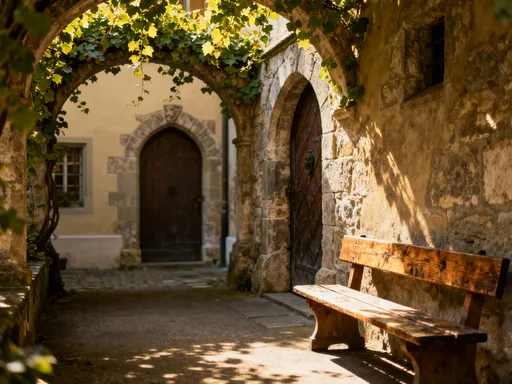
Behind unmarked doors and narrow passageways in Bern’s Old Town lie hidden courtyards—quiet sanctuaries that contrast sharply with the city’s stone-clad streets. These secluded spaces, often accessible only through low archways or courtyard gates, offer a different dimension of urban life: one of stillness, greenery, and contemplation. While many are private, a growing number have been opened to the public as part of Bern’s effort to integrate nature into its dense urban fabric. Among the most enchanting is the cloister garden at Nydegg Church, a tranquil retreat shaded by ancient linden trees and bordered by ivy-covered walls. Here, the sound of the Aare River drifts upward from below, blending with birdsong and the occasional chime of the church bell.
Another lesser-known gem is the series of inner courtyards near Barfüsserplatz, once part of a Franciscan monastery and now repurposed as cultural spaces and quiet gathering spots. These areas feature manicured lawns, stone fountains, and wooden benches arranged for solitude or conversation. During spring and summer, residents bring books or lunch to enjoy in the dappled sunlight, while tourists who stumble upon them often whisper in awe, as if discovering a secret. The city has recognized the psychological and environmental value of such green oases, integrating them into its urban wellness strategy. Studies have shown that access to small green spaces in cities reduces stress and enhances mental clarity, and Bern’s courtyards serve this purpose beautifully.
These hidden gardens also reflect a deeper architectural philosophy: that cities should balance hard and soft elements. While Bern is renowned for its sandstone buildings and cobbled alleys, the inclusion of green spaces prevents the urban landscape from feeling oppressive. Even in the busiest parts of town, one is never far from a moment of respite. The city’s planners have long understood that true urban comfort comes not just from efficient transit or elegant facades, but from the availability of quiet corners where people can pause, breathe, and reconnect with themselves. In this way, Bern’s courtyards are not just aesthetic features—they are essential components of a humane city.
Aare River: The City’s Beating Urban Pulse
The turquoise waters of the Aare River do more than carve a dramatic loop around Bern’s Old Town—they define the city’s identity and rhythm. Flowing from the Aar Glaciers in the Bernese Alps, the river arrives in the capital with a clarity and energy that captivates residents and visitors alike. Unlike rivers in many cities that are walled off or buried beneath infrastructure, the Aare is embraced as a central feature of urban life. Its banks are lined with pedestrian paths, grassy slopes, and public access points, inviting engagement at every turn. In summer, the river becomes a playground, most famously through the tradition of “Aareschwimmen”—floating down a stretch of the river with the current, often ending at the Marzilibad swimming complex.
This ritual, deeply rooted in local culture, is not a tourist performance but a beloved civic practice. Families, students, and professionals alike gather at the Holzbrücke (wooden bridge) with inflatable rings, towels, and picnic bags, ready to drift for 30 to 45 minutes downstream. The experience is both exhilarating and meditative—gliding past rocky cliffs, historic bridges, and red-roofed buildings while the city hums softly above. Safety is ensured by lifeguards, retrieval boats, and clear signage, making it accessible even to non-swimmers. The city promotes this activity not just for recreation but as a way to strengthen community bonds and foster a connection to nature within the urban context.
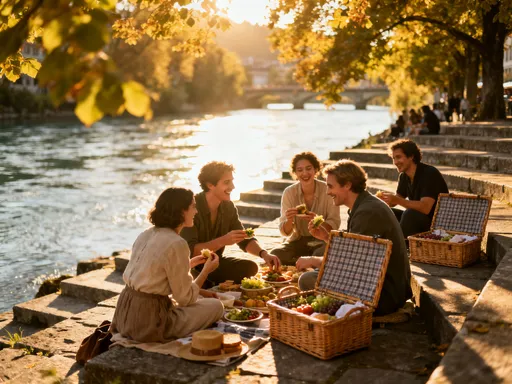
Along the banks, spots like Marzilibad and Dählhölzli offer sunbathing areas, changing rooms, and picnic tables with panoramic views of the Old Town. These spaces are carefully maintained yet retain a relaxed, unpolished charm. In spring, wildflowers bloom along the trails; in autumn, the trees lining the river turn golden, reflecting in the water like stained glass. The Aare also plays a role in Bern’s environmental sustainability—its waters are used for hydroelectric power, and the city monitors water quality rigorously to ensure it remains safe for swimming and wildlife. More than just a geographic feature, the Aare is Bern’s living pulse, a reminder that cities can thrive in harmony with nature.
Rooftop Perspectives and Elevated Walks
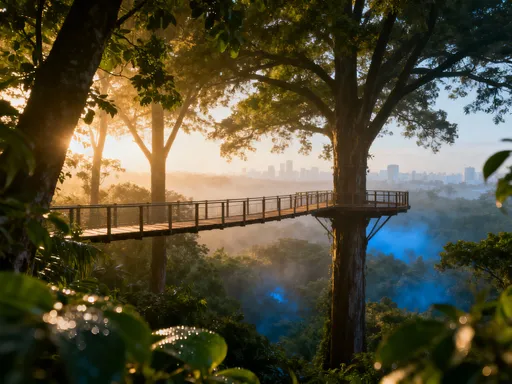
While most visitors climb the steps of the Zytglogge or visit the Bear Park for views, Bern offers several lesser-known vantage points that reveal the city in a more intimate light. One of the most rewarding is the rooftop terrace near Bern Minster, the city’s Gothic cathedral. After ascending the 300-step spiral staircase, visitors emerge onto a walkway that circles the tower’s base, offering a breathtaking panorama of red-tiled roofs, winding alleys, and the Aare’s emerald bend. At sunrise, the city is bathed in soft gold; at dusk, the streetlights flicker on like stars, creating a mosaic of warmth against the cooling sky.
Another elevated experience awaits at the Münster Terrace, a quiet promenade behind the cathedral that overlooks the river and the newer districts of the city. Unlike crowded observation decks in other capitals, this space remains relatively undiscovered, frequented mostly by locals seeking solitude or photographers waiting for the perfect light. The topography of Bern—perched on a narrow peninsula surrounded by water—creates natural elevation changes that enhance these views. Walking from the Nydegg Bridge up to the cathedral, one ascends gradually, each turn revealing a new layer of the city’s layout, like unfolding a hand-drawn map.
For those willing to venture slightly beyond the center, the Gantrisch Nature Park offers panoramic vistas from the south. The hike to Gantrisch viewpoint takes about 45 minutes through forested trails, but the reward is a sweeping overlook of Bern nestled in the valley, framed by distant alpine peaks. This perspective shifts the perception of the city from a dense urban core to a settlement in dialogue with its natural surroundings. Photographers and nature lovers often time their visits for golden hour, when the low sun casts long shadows and intensifies the colors of the landscape. These elevated walks do more than offer scenery—they invite reflection, reminding visitors that cities are not isolated constructs but part of a larger ecological and geographic story.
Modern Touches in a Historic Frame
Bern’s reputation as a conservative, tradition-bound city is not entirely unfounded—but it overlooks the subtle ways in which modernity has been woven into its historic fabric. Nowhere is this more evident than at the Zentrum Paul Klee, a museum dedicated to the Swiss-German artist, located on the city’s northeastern edge. Designed by Italian architect Renzo Piano, the building consists of three undulating white structures that resemble abstract hills, blending seamlessly into the surrounding landscape. The architecture itself is a statement: rather than imposing a bold modern form, it dialogues with the terrain, using natural light and open spaces to create an atmosphere of calm and contemplation.
The Paul Klee Center exemplifies how Bern integrates contemporary culture without disrupting its historical harmony. Inside, rotating exhibitions explore Klee’s connection to music, poetry, and nature, appealing to both art enthusiasts and casual visitors. The museum’s outdoor sculpture garden extends the experience into the open air, where families stroll among interactive installations and seasonal plantings. Importantly, the site is accessible by public tram, reinforcing the city’s commitment to sustainable cultural access.
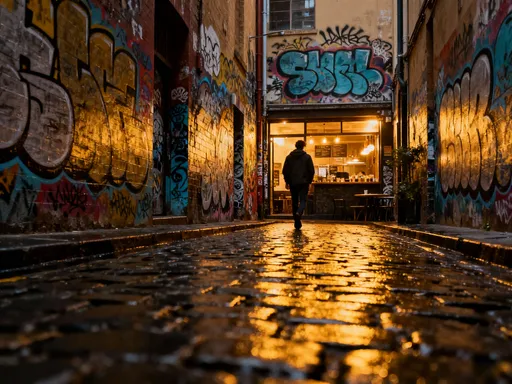
Beyond this landmark, smaller interventions add modern flair to everyday spaces. Street art can be found in the Länggasse district, where murals on building sides depict abstract patterns and local symbols in vibrant colors. Public installations—such as solar-powered lighting poles with minimalist designs or tactile paving for the visually impaired—reflect a quiet but consistent investment in innovation and inclusivity. Bern does not shout its modernity; it whispers it through thoughtful details. This balance allows the city to honor its past while remaining open to evolution, proving that tradition and progress need not be at odds.
Local Life in Neighborhoods Beyond the Center
To understand Bern beyond its postcard image, one must venture into its surrounding neighborhoods, where the city’s authentic rhythm is most palpable. The Mattequartier, nestled along the Aare River just below the Old Town, is one such place. Once an industrial zone, it has transformed into a hub of independent creativity, home to artisan bakeries, craft breweries, and small ateliers. Cobblestone alleys lead to hidden courtyards where designers display handmade goods, and riverside cafés serve locally roasted coffee to a mix of artists, students, and longtime residents. The area retains a slightly raw, unpolished quality—walls bear traces of past uses, and signage is often hand-painted—but this only adds to its charm.
Länggasse, on the western edge of the Old Town, offers another glimpse into everyday Bern. This diverse district is known for its lively street markets, family-owned grocery stores, and community centers that host language classes, music events, and cooking workshops. On Saturday mornings, the Länggasse Market draws crowds with fresh produce, organic cheeses, and handmade pastries, creating a festive yet unpretentious atmosphere. Unlike tourist-heavy zones, this neighborhood operates at a human pace, where shopkeepers know their customers by name and children play in the plazas after school.
These districts illustrate how Bern balances preservation with adaptation. While the Old Town remains meticulously maintained, the surrounding areas embrace change, allowing new generations to shape the city’s identity. Independent boutiques replace vacant storefronts, community gardens sprout in unused lots, and public art projects engage residents in urban dialogue. This organic evolution ensures that Bern does not become a static monument but a dynamic, inclusive city. For visitors willing to step off the main path, these neighborhoods offer not just sights, but connections—a chance to experience Bern not as a destination, but as a place where life unfolds naturally, day by day.
Bern’s urban space is more than postcard views—it’s a layered, living environment where history and modernity coexist quietly but powerfully. By stepping beyond the main squares and exploring its hidden corners, visitors gain not just sights, but a deeper sense of place. This is a city that rewards curiosity, inviting you to slow down and truly inhabit its spaces. The real magic of Bern? It doesn’t shout—it whispers, and if you listen, it reveals itself completely.