You Won’t Believe These Hidden Gems in Mérida, Venezuela
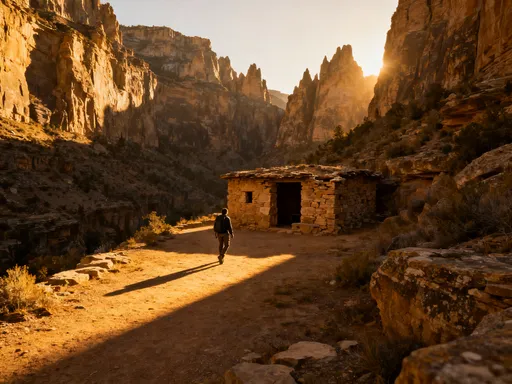
Nestled high in the Andes, Mérida, Venezuela, is a dream destination for nature lovers and adventure seekers. I was blown away by its breathtaking landscapes—from snow-capped mountains to lush valleys and roaring waterfalls. This isn’t just another tourist stop; it’s a real escape into raw beauty. If you’re looking for scenic spots that feel untouched and unforgettable, Mérida should be at the top of your list. Let me show you why.
Why Mérida Stands Out in South American Travel
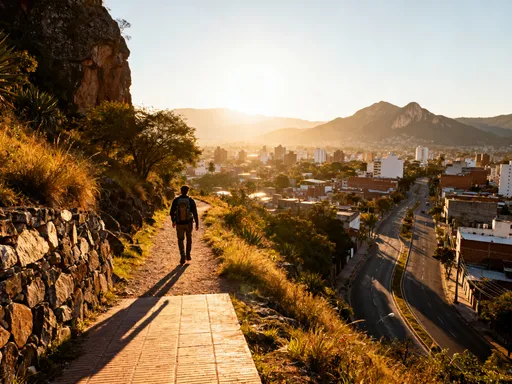
Mérida is more than just a city in the Venezuelan Andes—it is a gateway to one of South America’s most dramatic and underappreciated mountain regions. Sitting at an elevation of over 1,500 meters (about 5,000 feet), it holds the distinction of being the highest major city in Venezuela. This lofty position brings a refreshing climate, with cool temperatures year-round and crisp mountain air that invigorates the senses. Unlike tropical lowland destinations, Mérida offers a distinct alpine atmosphere, complete with pine-scented breezes, rolling green hills, and distant peaks that shimmer in the morning light.
What truly sets Mérida apart is its unique blend of natural grandeur and cultural authenticity. The city itself is a charming mix of colonial architecture and modern comforts, with cobblestone streets, colorful buildings, and a vibrant central plaza where families gather on weekends. But beyond the urban core lies a landscape of staggering variety. Within a short drive, travelers can move from temperate valleys to high-altitude páramo ecosystems—unique high-mountain grasslands found only in the northern Andes. These environments support rare plant species like the frailejón, a spiky, rosette-shaped plant that stores water and thrives in cold, misty conditions.
Travelers are increasingly drawn to Mérida for its promise of genuine mountain experiences without the crowds of more commercialized destinations. While countries like Peru and Ecuador attract hikers with famous trails, Mérida remains relatively undiscovered by international tourists. This means that scenic overlooks, quiet trails, and local interactions feel more personal and less staged. For women between 30 and 55—many of whom seek meaningful, enriching travel that combines safety, beauty, and cultural insight—Mérida offers a rare balance. It’s adventurous enough to excite, yet accessible enough to feel comfortable, even for those traveling solo or with family.
The Must-See Natural Landscapes
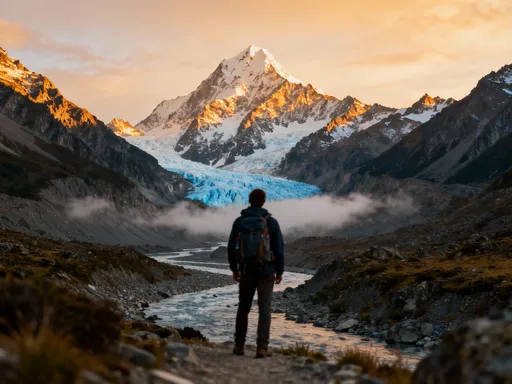
One of the greatest draws of Mérida is its proximity to some of the most dramatic natural scenery in Venezuela. At the heart of this beauty is Sierra Nevada National Park, a UNESCO-recognized protected area that spans over 276,000 hectares. This vast park is home to more than 20 peaks exceeding 4,000 meters, including Pico Bolívar, the country’s highest point at 4,978 meters. The park’s diverse ecosystems range from cloud forests teeming with orchids and hummingbirds to windswept páramos where condors soar above rocky ridges.
Among the most iconic sights is the view from La Culata, a high mountain pass that offers panoramic vistas of snow-dusted peaks and deep green valleys. On clear mornings, the sunlight bathes the landscape in golden hues, creating a scene so vivid it feels almost surreal. Another highlight is Pico Espejo, a striking peak that reflects light in a way that gives it a shimmering, mirror-like appearance—hence its name, which means “Mirror Peak.” While summiting requires technical climbing skills, the surrounding trails provide accessible vantage points for hikers of all levels.
The region’s biodiversity is equally impressive. Over 200 species of birds have been recorded here, including the endangered Andean condor, which can sometimes be seen circling above the ridgelines. The forests are home to spectacled bears, deer, and a variety of reptiles and amphibians adapted to the cool, moist climate. Wildflowers bloom in spring and early summer, painting the hillsides in bursts of purple, yellow, and red. For nature enthusiasts, every turn in the road reveals something new—a cascading stream, a hidden meadow, or a cluster of frailejón plants glowing in the fog.
To make the most of these landscapes, timing is essential. The dry season, from December to March, offers the clearest skies and the best visibility for photography and hiking. During these months, rainfall is minimal, and the trails are generally in good condition. Early morning visits are ideal, as clouds tend to roll in by midday, sometimes obscuring views. Travelers should also be mindful of altitude—many of these locations sit above 3,000 meters, so it’s wise to spend a day or two acclimatizing in Mérida before venturing higher. With proper planning, the natural wonders of Mérida can be experienced safely and memorably.
Riding the World’s Longest and Highest Cable Car
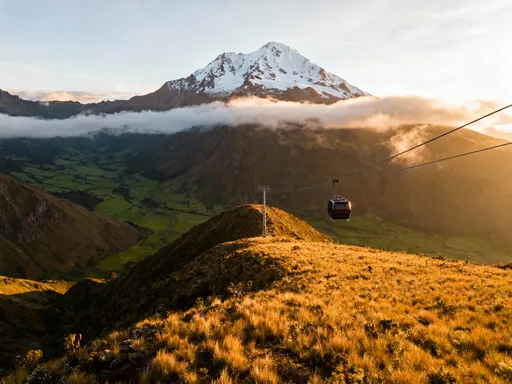
One of the most unforgettable experiences in Mérida is riding the Mérida Cable Car, officially known as the Teleférico de Mérida. Stretching over 12.5 kilometers and rising to an elevation of 4,765 meters, it holds the record as the longest and highest cable car system in the world. This engineering marvel connects the city below to the high páramo of Piedra del Sol, offering travelers a vertical journey through multiple climate zones in just under an hour. For visitors seeking both comfort and adventure, this ride delivers an unparalleled perspective on the region’s natural diversity.
The journey begins in the city of Mérida, where the air is mild and the surrounding hills are covered in lush vegetation. As the cable car ascends, passengers pass through four distinct ecosystems. The first leg takes you through tropical and subtropical forests, where banana trees and ferns thrive in the warm, humid air. Next, the landscape shifts to cloud forest, with moss-covered trees and frequent mist creating an ethereal atmosphere. At higher elevations, the trees thin out, giving way to the open páramo, a high-altitude grassland with hardy plants and rocky outcrops. Finally, the cable car reaches its highest station near the summit of Pico Espejo, where the air is thin and the ground is often dusted with frost, even in the dry season.
Each station along the route offers opportunities to disembark, explore, and take in the views. The most popular stop is Águila, at 3,890 meters, which features a small visitor center, restrooms, and a café serving hot chocolate and local snacks. From here, short walking trails lead to observation decks with sweeping views of the surrounding peaks. More adventurous travelers can continue to Laguna Verde, a glacial lake nestled in a high mountain basin, or attempt a guided hike toward the snow line. The entire experience is both educational and awe-inspiring, offering a rare chance to witness dramatic ecological changes in a single trip.
To ensure a smooth and enjoyable ride, a few practical tips are essential. Tickets should be purchased in advance when possible, especially during peak travel seasons like holidays and school breaks. The cable car operates daily, but service can be suspended during high winds or heavy fog, so checking the weather forecast is advisable. Travelers should dress in layers, as temperatures can drop significantly at higher elevations. Sun protection is also important—due to the thin atmosphere, UV exposure is intense even on cloudy days. While the cable car is generally safe and well-maintained, it’s best to avoid the busiest hours, typically mid-morning on weekends, to enjoy a more peaceful experience.
Hidden Waterfalls and Secret Trails
Beyond the well-known attractions, Mérida is full of lesser-visited natural treasures that reward those willing to explore off the beaten path. Among these are hidden waterfalls and secluded trails that offer tranquility, beauty, and a deeper connection with nature. One such gem is La Guaricha, a series of cascading falls tucked into a forested ravine just outside the city. The hike to La Guaricha is moderate, taking about 45 minutes along a well-marked trail, and ends at a refreshing pool perfect for a dip on a warm afternoon. The sound of rushing water, the cool mist in the air, and the surrounding greenery create a peaceful sanctuary away from crowds.
Another rewarding destination is Quebrada del Sur, a scenic ravine that cuts through the mountains south of Mérida. This area is popular with locals but often overlooked by international visitors. The trail follows a rocky stream past small waterfalls, natural rock pools, and shaded rest areas. Along the way, hikers can spot hummingbirds, butterflies, and even the occasional Andean fox. The path is uneven in places, so sturdy footwear is recommended, but the journey is well worth the effort. At certain points, the trail opens to sweeping views of the valley below, where patchwork farms and winding rivers stretch into the distance.
For those seeking solitude and a sense of discovery, these hidden spots offer a more intimate experience of Mérida’s natural beauty. Unlike the busier tourist sites, they allow time for quiet reflection, photography, and connection with the environment. To ensure safety and respect for the land, it’s wise to travel with a local guide, especially on less-marked trails. Guides not only know the safest routes but can also share insights about local plants, wildlife, and cultural traditions. Many are based in nearby villages and can be arranged through guesthouses or tour offices in Mérida.
When planning a hike, timing matters. Early morning is the best time to visit, as temperatures are cooler and wildlife is more active. It’s also advisable to go during the dry season, when trails are less slippery and visibility is better. Hikers should carry plenty of water, a light snack, and a rain jacket, as mountain weather can change quickly. Above all, it’s important to leave no trace—packing out all trash, staying on designated paths, and avoiding disturbance to plants and animals. By following these simple principles, travelers help preserve these fragile ecosystems for future generations.
Charming Towns Beyond the City Center
While Mérida city offers a welcoming base, some of the region’s most authentic charm lies in the surrounding mountain towns. These small communities provide a glimpse into traditional Andean life, with their whitewashed churches, red-tiled roofs, and friendly locals who greet visitors with warm smiles. Two of the most delightful are Mucuchíes and Apartaderos, each offering its own unique blend of history, culture, and scenic beauty.
Mucuchíes, located about an hour’s drive from Mérida, sits at an elevation of over 3,000 meters and is known for its crisp mountain air and historic architecture. The town’s centerpiece is the Iglesia de Nuestra Señora del Rosario, a colonial-era church with a striking wooden ceiling and peaceful courtyard. On weekends, the central plaza comes alive with local vendors selling handmade crafts, woolen goods, and traditional foods like queso de mano (a soft, fresh cheese) and empanadas de trigo (wheat-based pastries). The pace of life here is slow and intentional, making it a perfect place to unwind and soak in the mountain atmosphere.
Just a short distance away, Apartaderos serves as a key stop for travelers heading to the higher reaches of the Andes. Nestled along the main road to the cable car station, it has long been a resting point for muleteers and traders. Today, it retains its rustic appeal, with stone houses, flower-filled balconies, and panoramic views of the surrounding peaks. The town is also home to several small museums and artisan workshops, where visitors can watch locals weave wool into colorful blankets or carve wood into decorative items. A visit to Apartaderos adds depth to any trip, offering cultural context and a sense of continuity with the region’s past.
These towns enhance the scenic journey by providing moments of human connection amidst the natural splendor. They remind travelers that beauty is not only found in landscapes but also in the lives of those who call these mountains home. For women seeking meaningful travel experiences, interactions with local artisans, farmers, and families can be among the most memorable parts of a trip. Whether sharing a cup of coffee with a shopkeeper or learning about traditional cheese-making, these moments foster understanding and appreciation. By supporting local businesses and respecting cultural norms, visitors contribute to the sustainability of these communities.
How to Plan Your Scenic Adventure: Logistics Made Easy
Planning a trip to Mérida may seem daunting at first, but with the right information, it can be a smooth and rewarding experience. The city is accessible by air, bus, and car from major Venezuelan cities like Caracas and Valencia. The fastest option is a domestic flight to Alberto Carnevalli Airport, a small regional airport located just outside Mérida. Flights typically take about an hour and offer stunning aerial views of the Andes. For those who prefer overland travel, comfortable buses run daily from Caracas, though the journey takes 8 to 10 hours due to mountainous terrain and winding roads.
Once in Mérida, getting around is relatively easy. The city center is walkable, and taxis are widely available for trips to the outskirts. For excursions to nearby towns and natural sites, renting a car with a local driver is often the most convenient choice, especially for families or groups. Roads are generally paved but can be narrow and steep in places, so experienced drivers are recommended. GPS signals can be unreliable in remote areas, so carrying a physical map or hiring a guide is a smart precaution.
Accommodation options in Mérida cater to a range of preferences and budgets. Mid-range hotels in the city center offer modern amenities, including Wi-Fi, hot water, and restaurants serving both local and international cuisine. For a more immersive experience, guesthouses and mountain lodges provide cozy, personalized stays with scenic views. Some lodges are located near hiking trails or the cable car route, making them ideal bases for early morning adventures. Booking in advance is advisable, particularly during holidays and festival seasons.
A well-planned itinerary can make the most of a 3 to 5-day visit. Day one might include exploring Mérida’s historic center, visiting the cathedral, and enjoying dinner at a local restaurant. Day two could be dedicated to the cable car ride and a hike at La Aguila. On day three, travelers can visit Mucuchíes and Apartaderos, with time for cultural stops and local meals. Days four and five offer opportunities for deeper exploration—perhaps a guided trek to a hidden waterfall or a full-day hike in Sierra Nevada National Park. With thoughtful planning, every moment can be both relaxing and enriching.
Responsible Travel in a Fragile Environment
As beautiful as Mérida is, its ecosystems are delicate and require careful stewardship. The páramo, in particular, is a fragile environment that takes centuries to recover from damage. These high-altitude grasslands play a crucial role in water regulation, capturing moisture from clouds and feeding rivers that supply nearby communities. Trampling vegetation, starting fires, or leaving waste can have long-lasting consequences. Travelers have a responsibility to minimize their impact and help protect this irreplaceable natural heritage.
One of the most effective ways to travel responsibly is to stay on marked trails. This prevents soil erosion and protects plant life, including rare species like the frailejón. Hikers should avoid picking flowers or disturbing wildlife, even for photographs. Carrying reusable water bottles and packing out all trash—especially plastics—is essential. Many local organizations and tour guides promote “Leave No Trace” principles, and following their lead helps ensure that natural areas remain pristine.
Supporting local guides and businesses is another powerful way to contribute positively. When travelers hire local experts, they not only gain valuable knowledge but also help sustain the regional economy. Purchasing handmade crafts, eating at family-run restaurants, and staying in locally owned accommodations all make a difference. These choices empower communities and encourage the preservation of cultural traditions.
Finally, raising awareness about Mérida’s beauty and fragility can inspire others to visit with care. Sharing photos, stories, and tips online—while emphasizing respect for nature—can promote responsible tourism on a larger scale. Mérida is more than a destination; it is a symbol of Venezuela’s wild, untamed landscapes and the resilience of its people. By visiting thoughtfully, travelers don’t just witness its wonders—they help ensure they endure for generations to come.
Mérida isn’t just about postcard views—it’s about connection, wonder, and respect for nature. Each winding road and quiet trail tells a story of resilience and beauty. By visiting responsibly, travelers don’t just see the scenery; they help preserve it. Let Mérida inspire your next journey—one that’s as meaningful as it is breathtaking.